
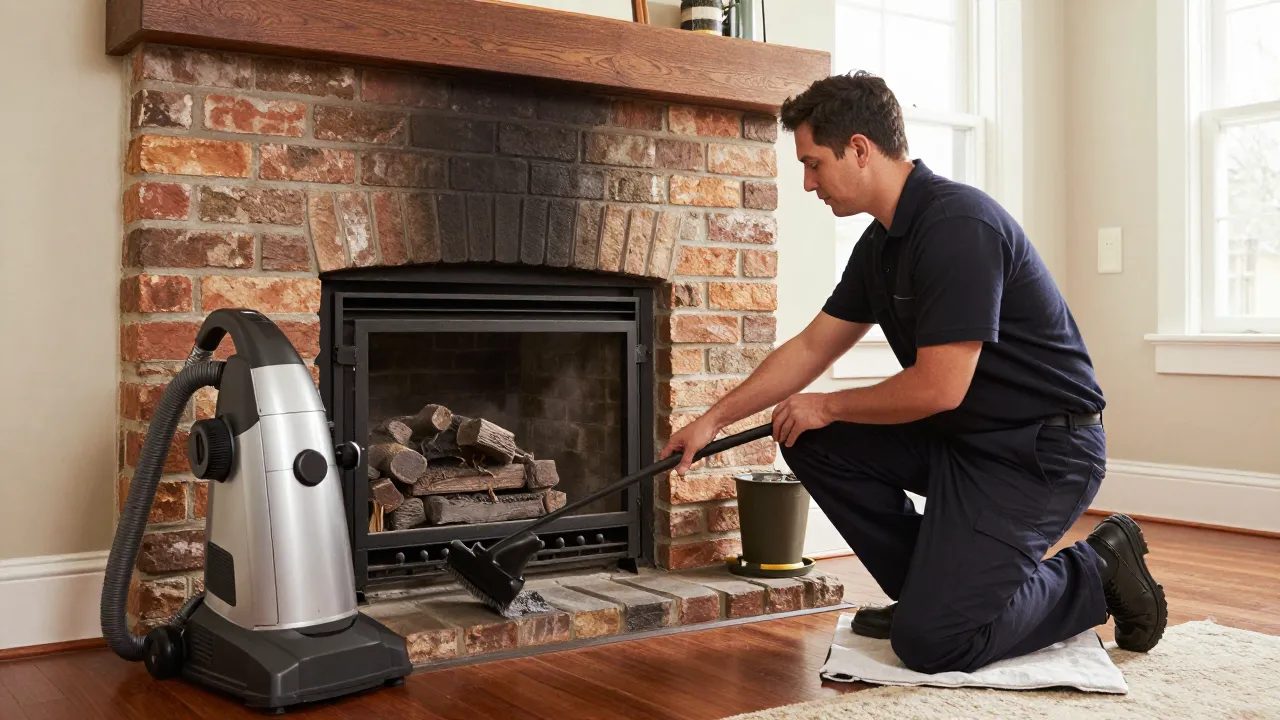
Signs Your Chimney Needs Cleaning
Campfire smell in July, smoke rolling back, black flakes in the firebox — the seven signs your flue is asking for a sweep before burn season.
Read the ArticleStraight answers from the sweeps who climb Maryland roofs — costs, safety, conversions and the signs that matter. Fresh articles also land on our Tips & Articles page.
Campfire smell in July, smoke rolling back, black flakes in the firebox — the seven signs your flue is asking for a sweep before burn season.
Read the Article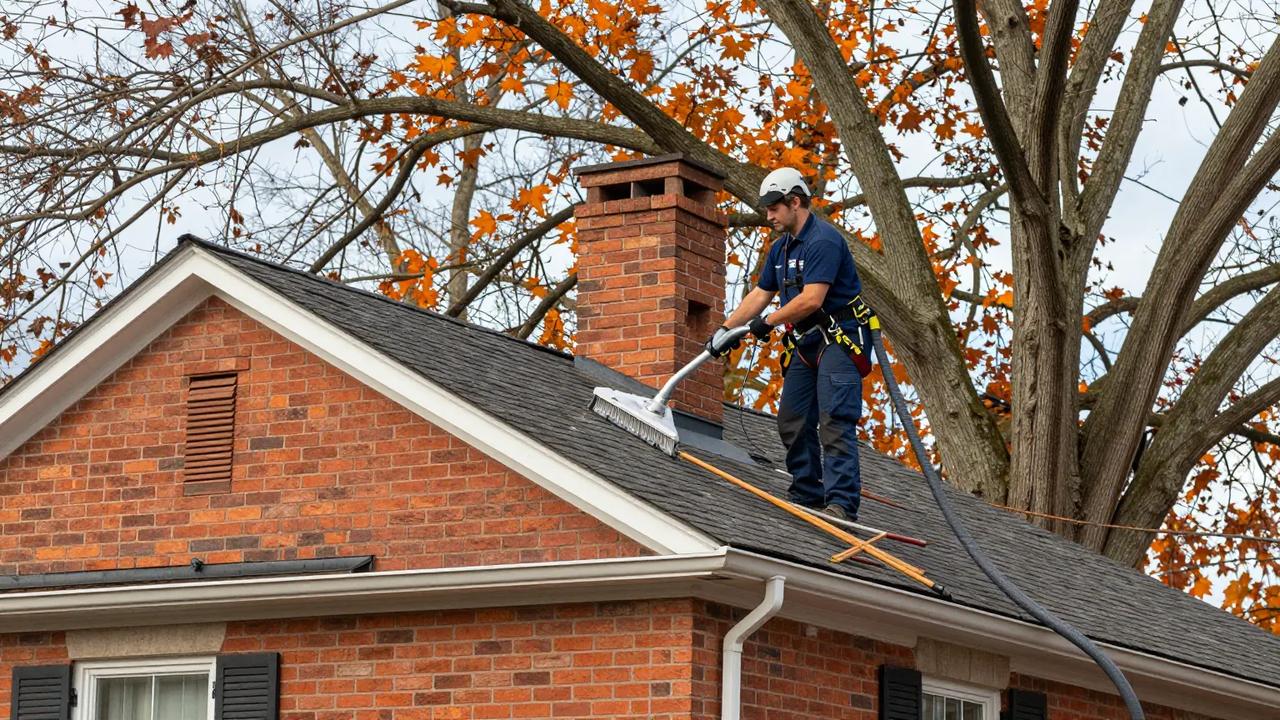
What actually drives the price of a chimney sweep in Maryland — flue count, creosote stage, access — and how to read any quote you are given.
Read the Article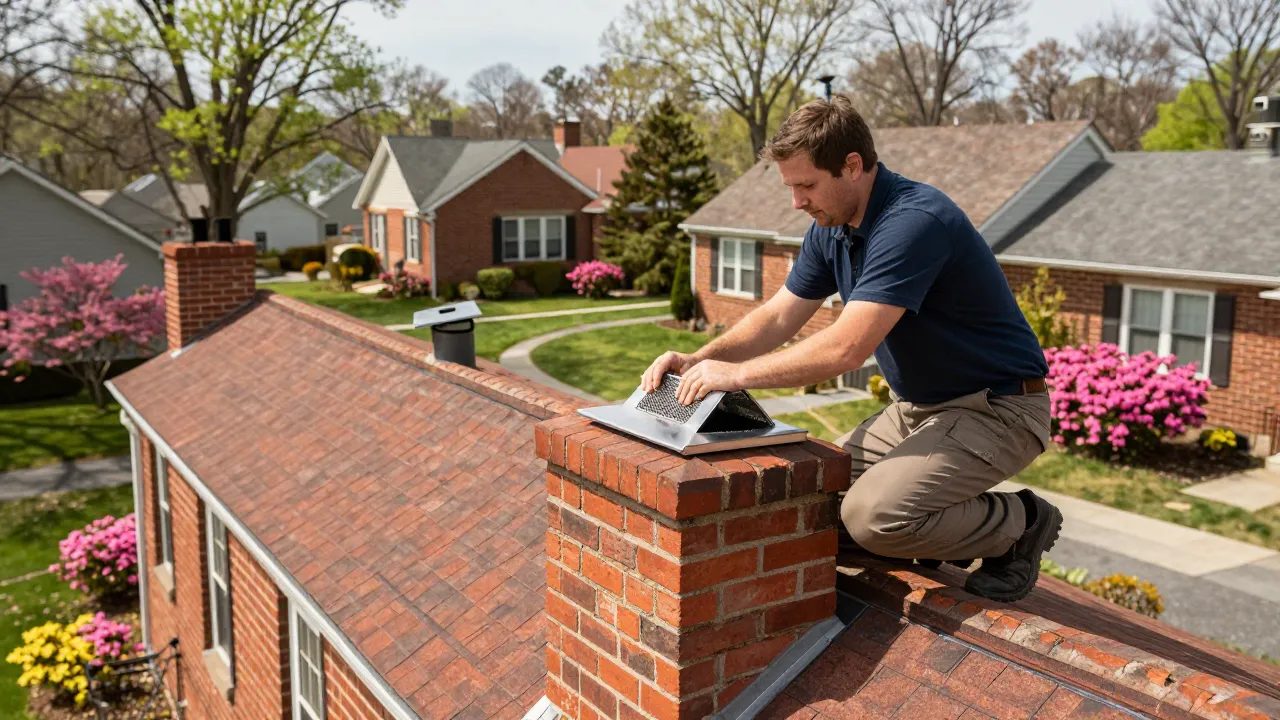
A cap costs a fraction of the repairs it prevents. The Maryland math on rain, raccoons and rusted dampers — and when a cap is not the answer.
Read the Article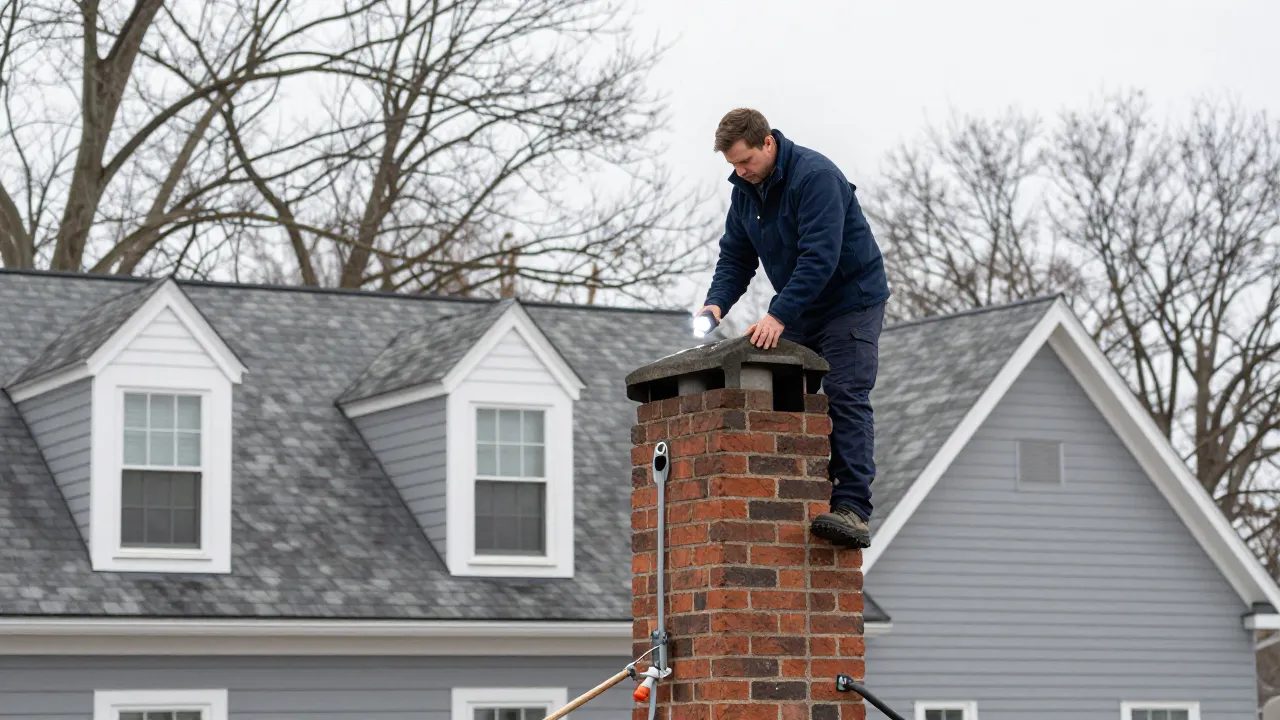
Burn dry wood, keep the flue clean, know the sound of a chimney fire. The winter checklist our sweeps give their own families.
Read the Article
Inserts vs. log sets, what the inspection has to say first, and how a Maryland wood-to-gas conversion actually sequences from quote to first fire.
Read the Article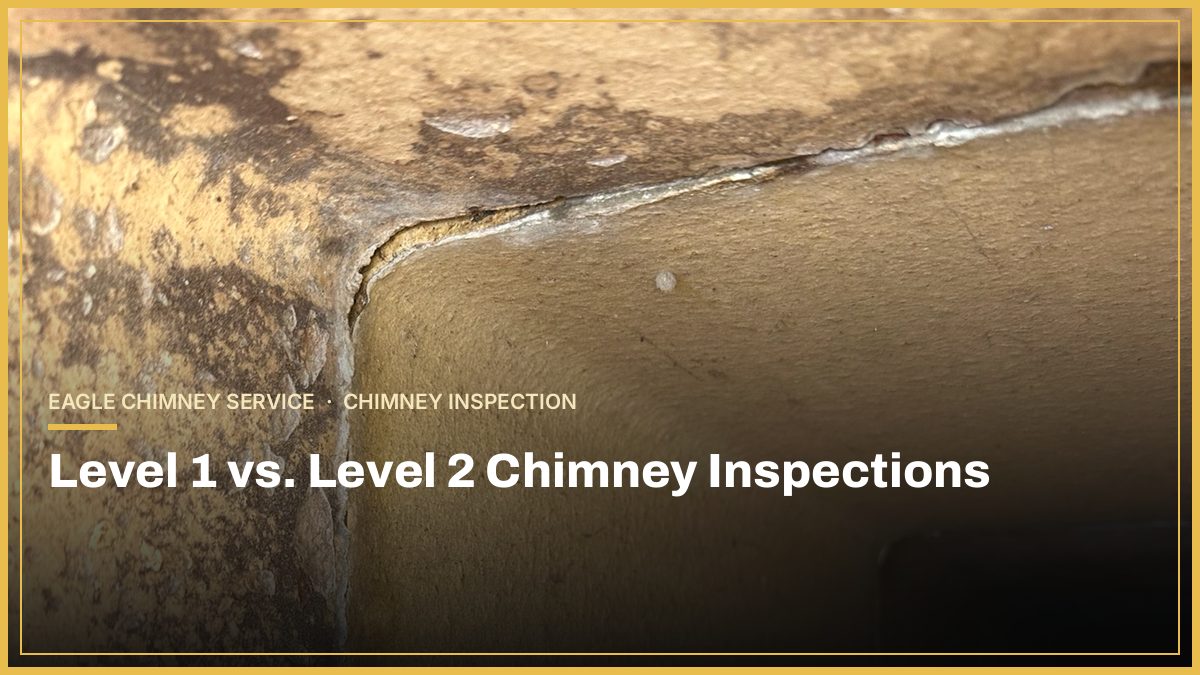
Level 1 is the annual check-up; Level 2 adds a camera inside the flue. How to tell which inspection your Maryland home actually needs this season.
Read the Article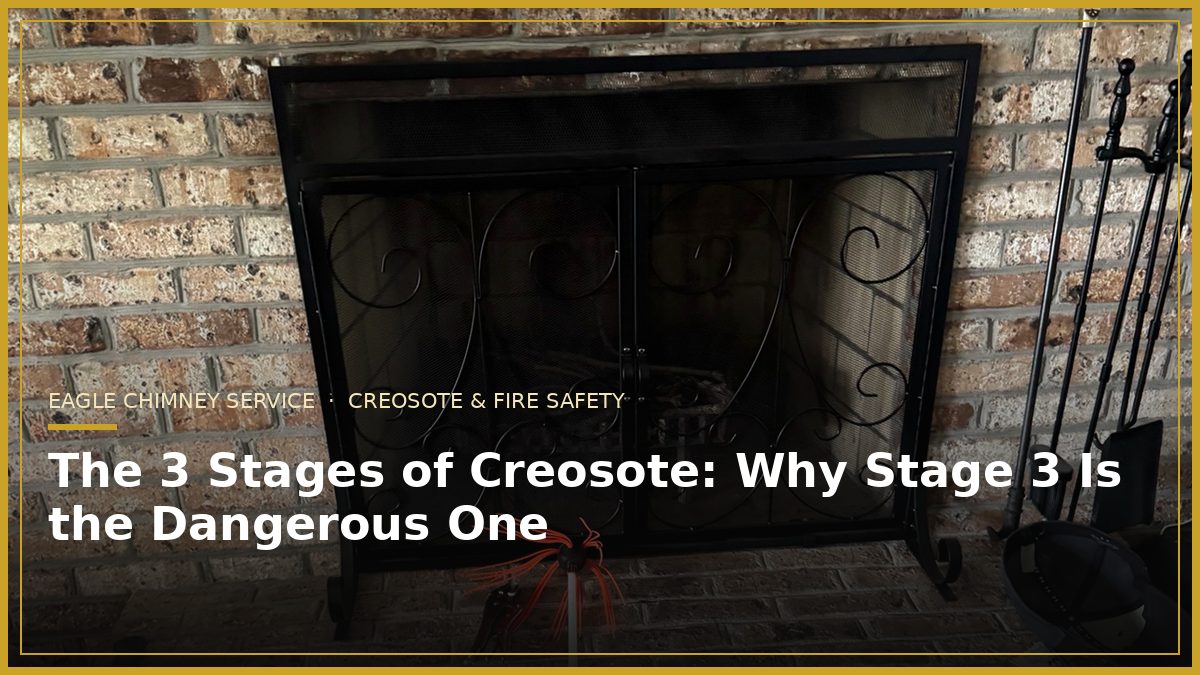
Dusty soot, crunchy flakes, or shiny glazed tar — creosote changes as it builds. What each stage looks like, why stage 3 resists a normal sweep, and how to keep it from forming.
Read the Article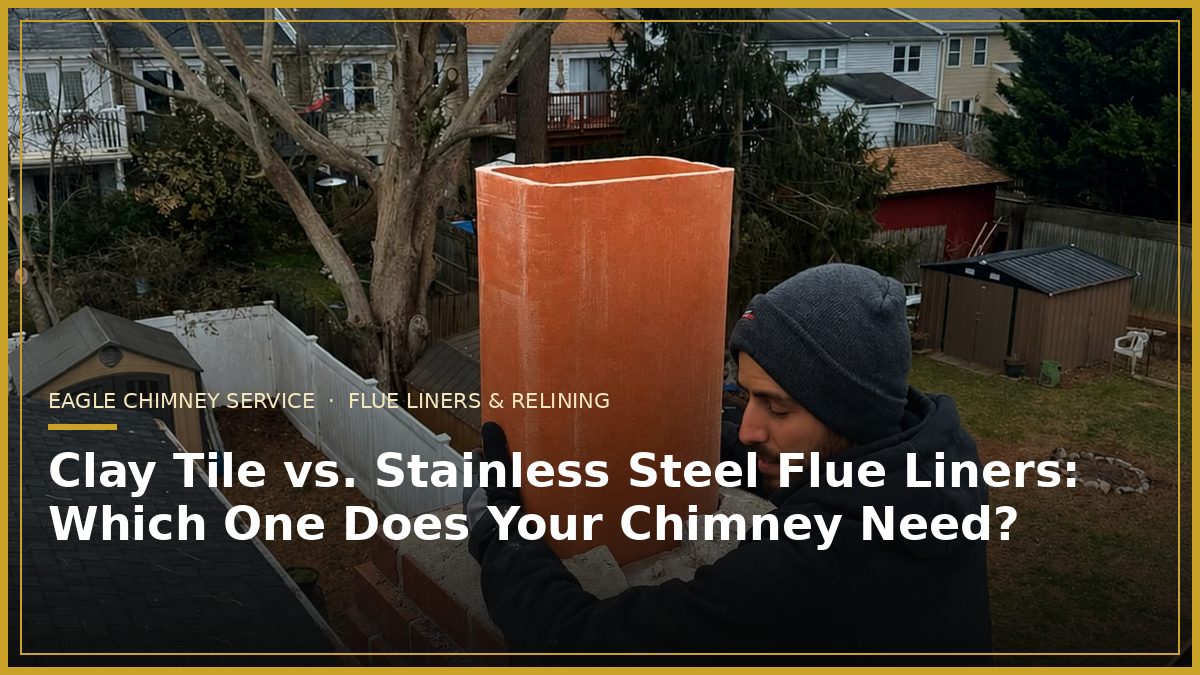
Most Maryland chimneys hide either clay tiles or a stainless liner inside the masonry. How each one works, how each one fails, and how to choose when it is time to reline.
Read the Article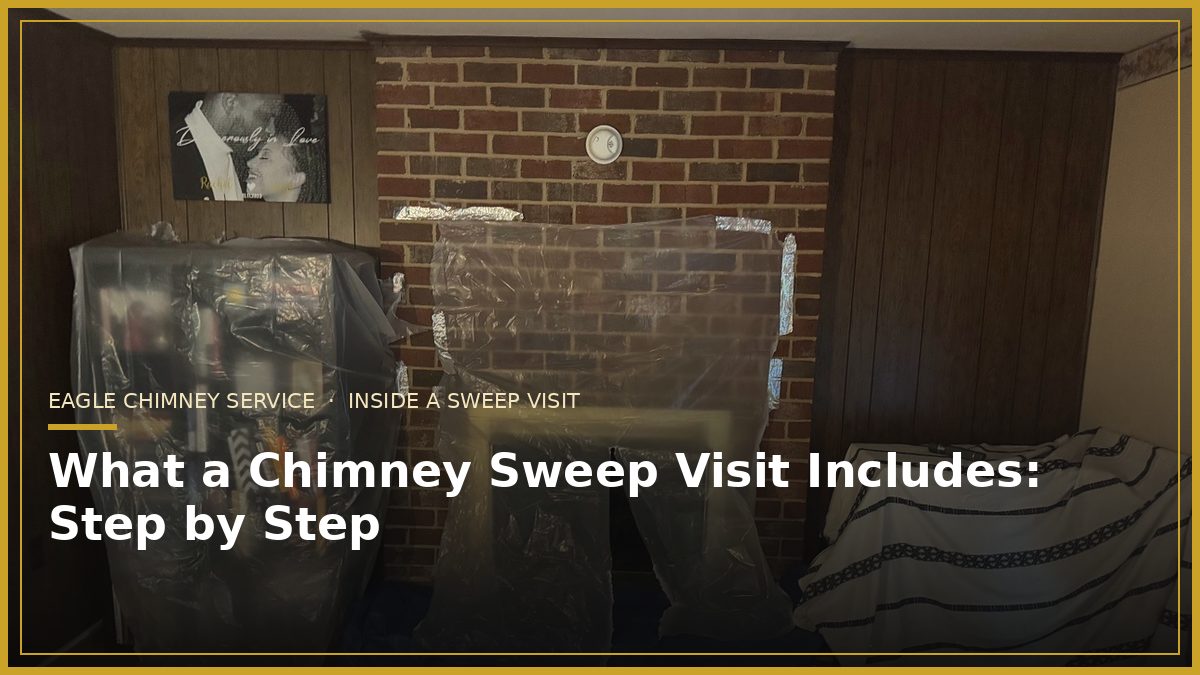
Drop cloths down, HEPA vacuum running, flue brushed top to bottom, then a photo report the same day. Exactly what happens, in order, when a sweep crew visits your Maryland home.
Read the Article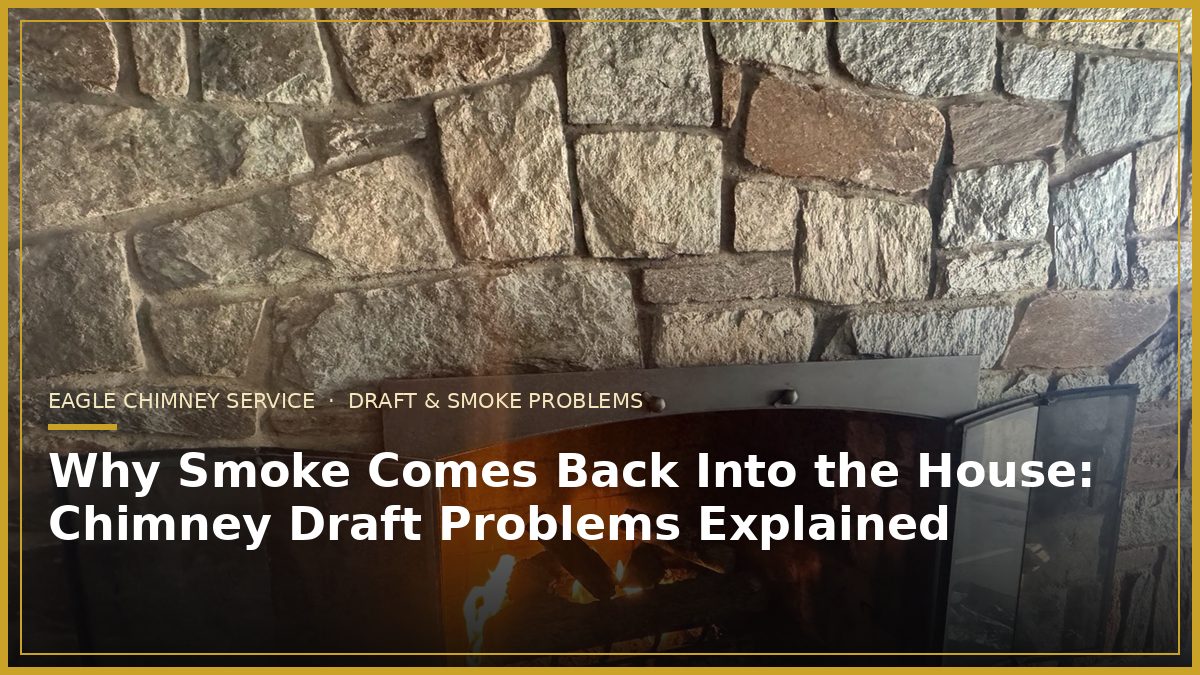
Smoke rolling back at light-up or spilling all evening is a draft problem with a cause — a cold flue, a blockage, house pressure, or a mismatched liner. How to tell them apart.
Read the Article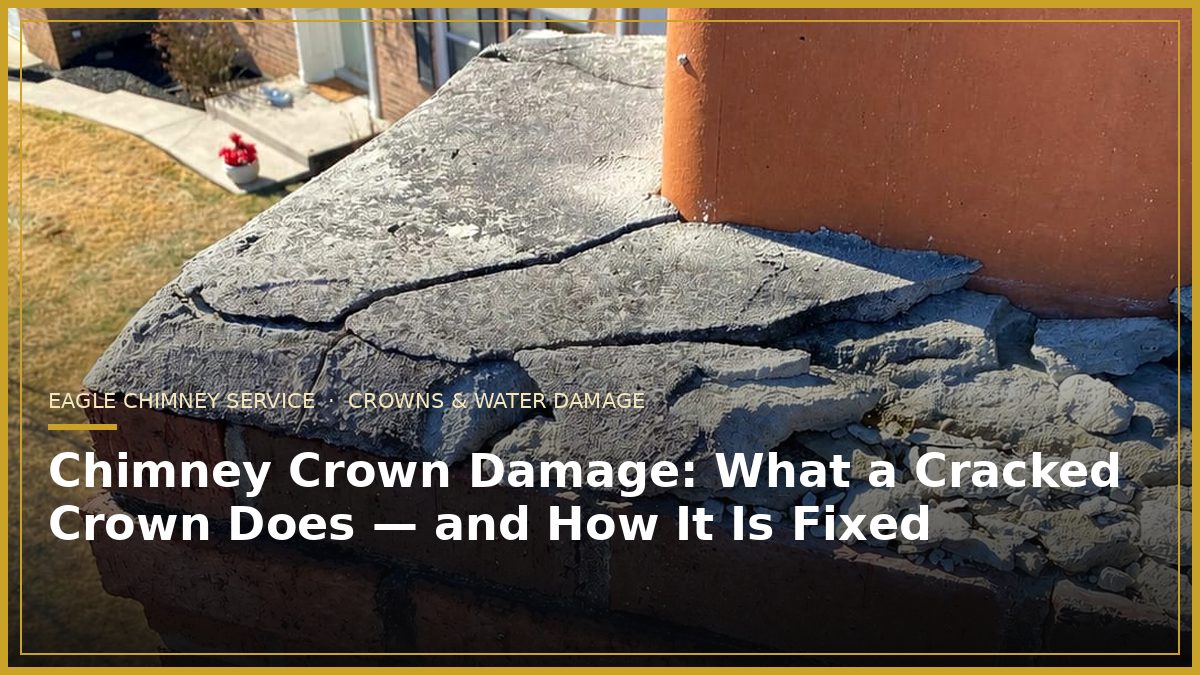
The crown is the concrete roof of your chimney. Hairline cracks let in water that freezes, spreads and soaks the stack — what to spot, and how repair is chosen.
Read the Article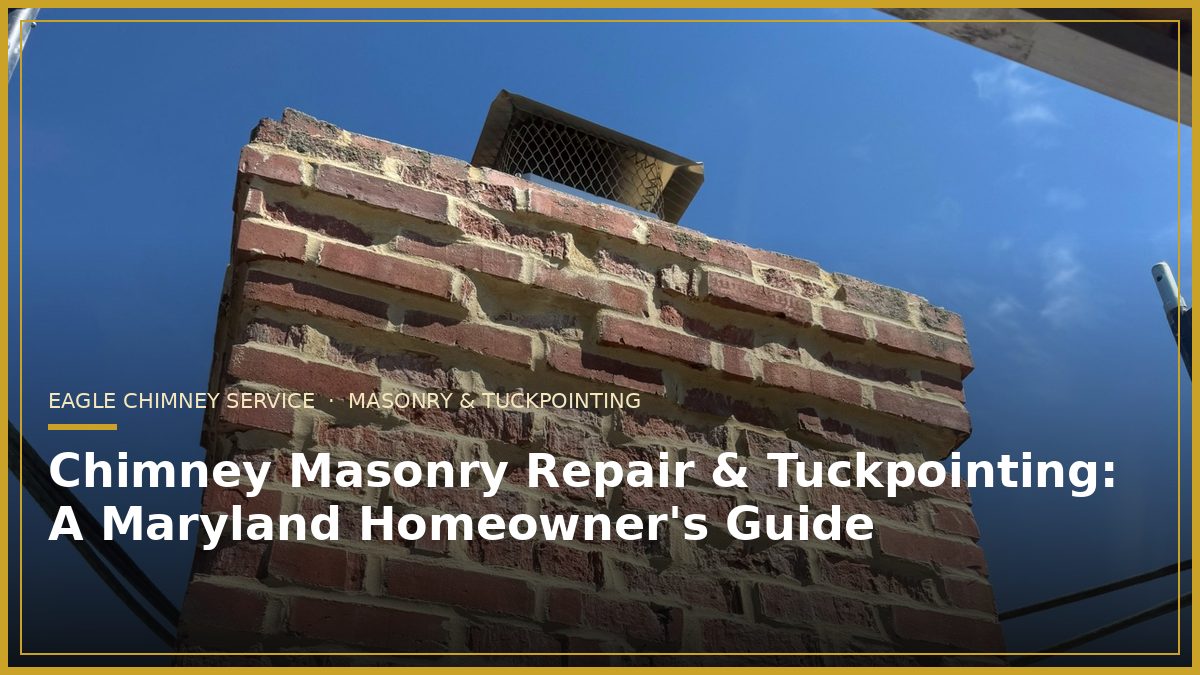
Recessed mortar, spalling brick, white stains — what failing chimney masonry is telling you, and how tuckpointing and repair actually work.
Read the Article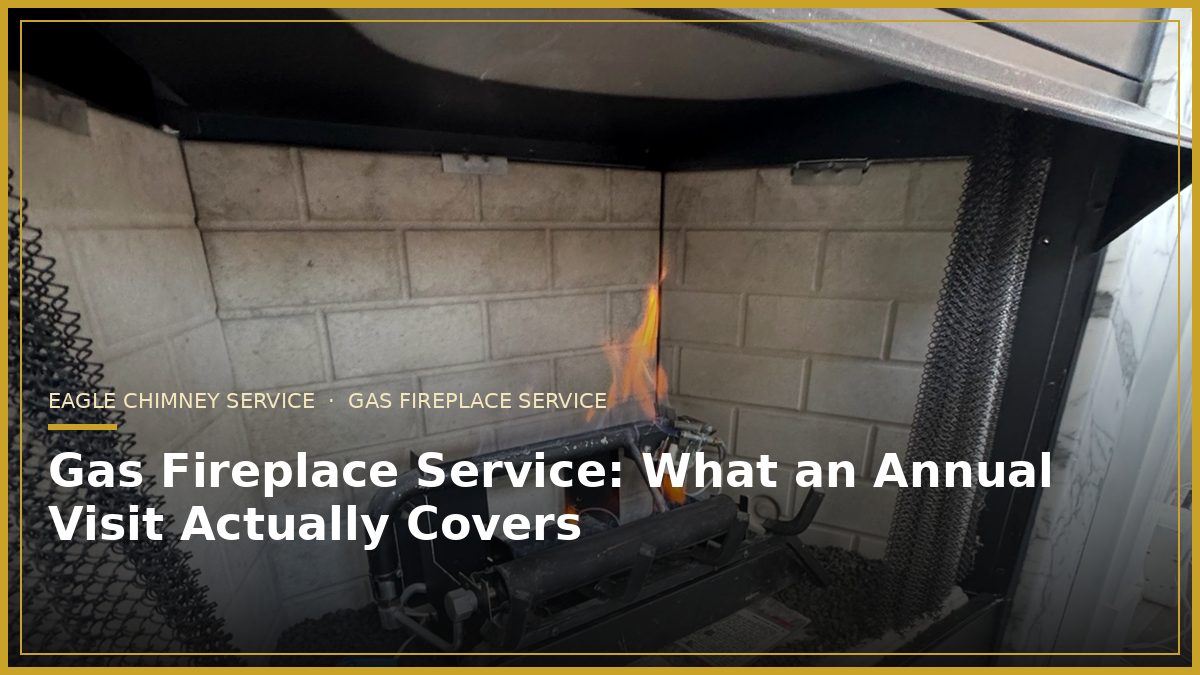
Gas fireplaces feel maintenance-free — until the pilot will not stay lit. Here is what a proper annual gas fireplace service checks, cleans and tests.
Read the Article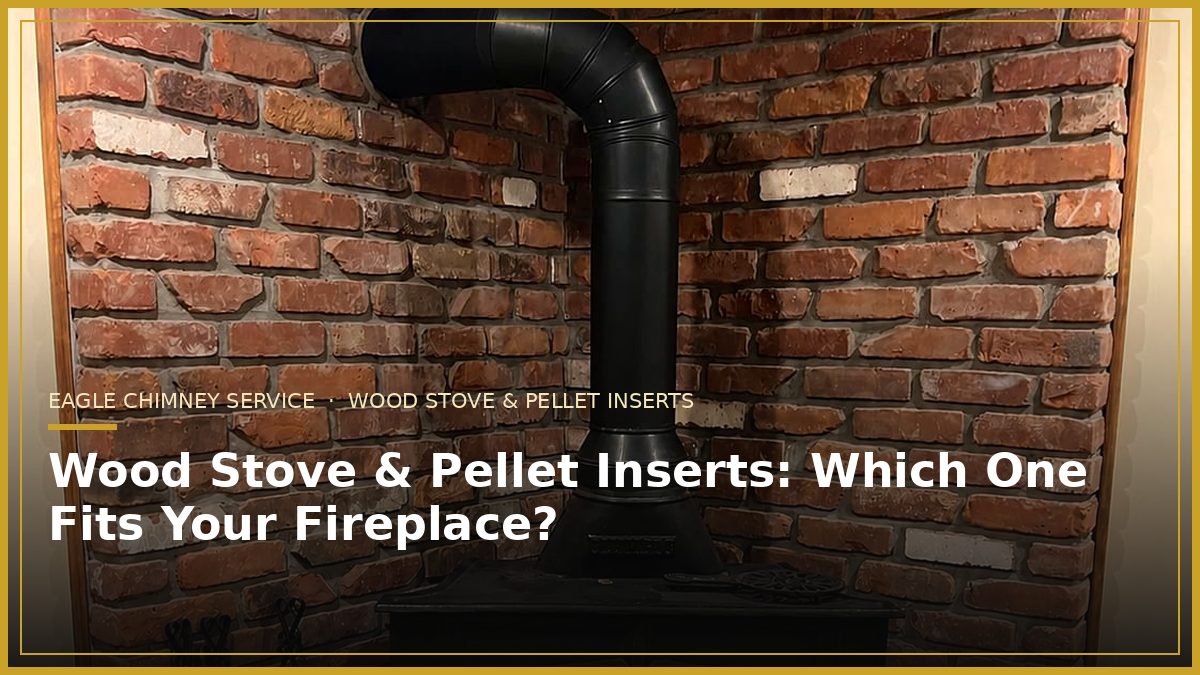
A wood insert burns cordwood in a sealed box; a pellet insert feeds fuel automatically. How the two differ in heat, daily work and what your chimney needs.
Read the Article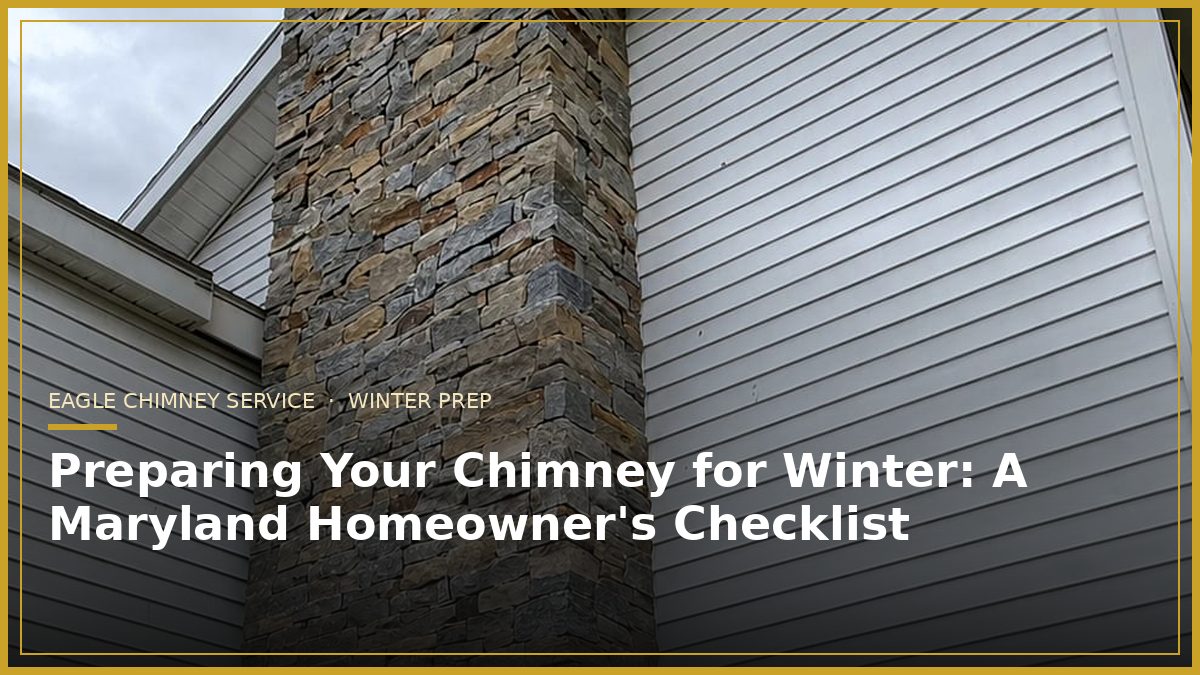
Before the first cold snap, run this winter checklist: inspection and sweep, cap and crown, dry wood, damper, detectors and a first-fire routine that starts the season safely.
Read the Article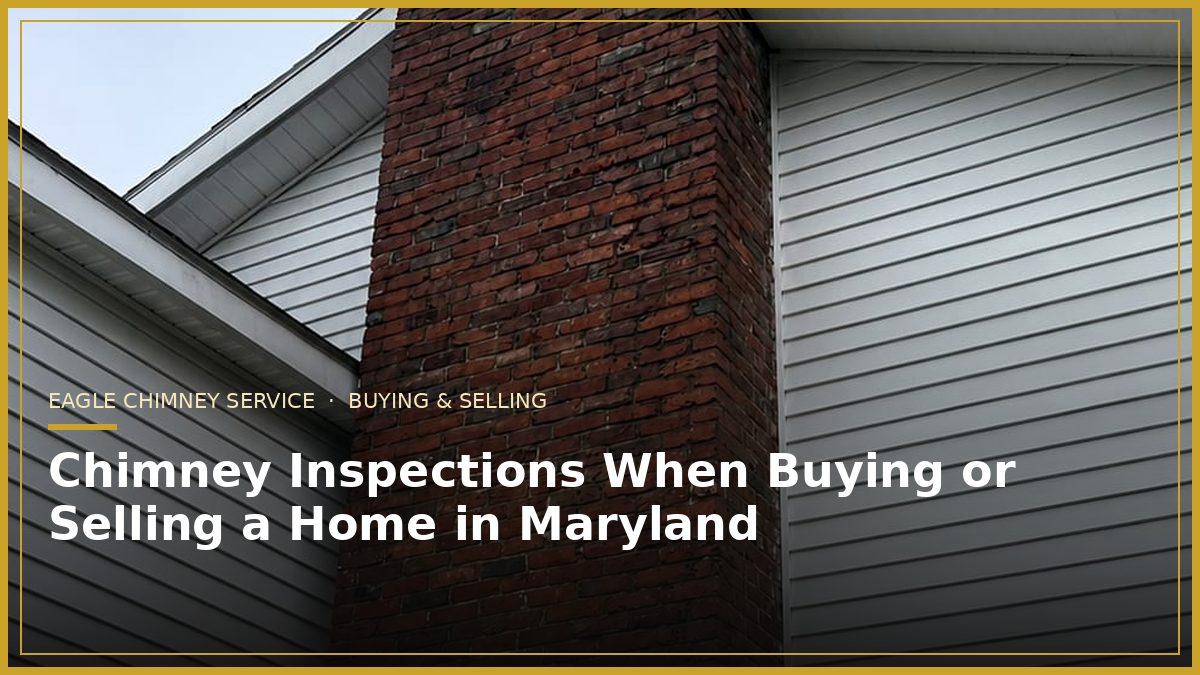
A home inspection barely looks inside the flue. What a Level 2 chimney inspection checks before a Maryland sale closes — for buyers, sellers and agents.
Read the Article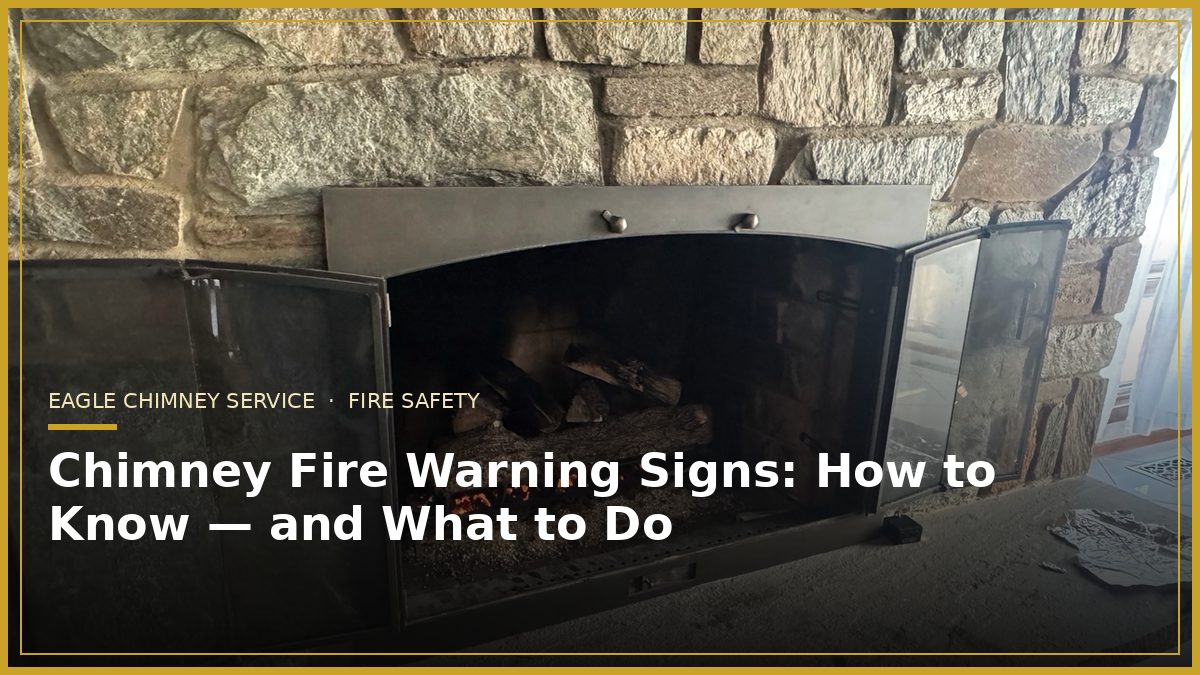
A roaring sound, dense smoke, falling flakes and a sudden intense smell can mean the flue itself is burning. The signs, in order, and the exact steps to take.
Read the Article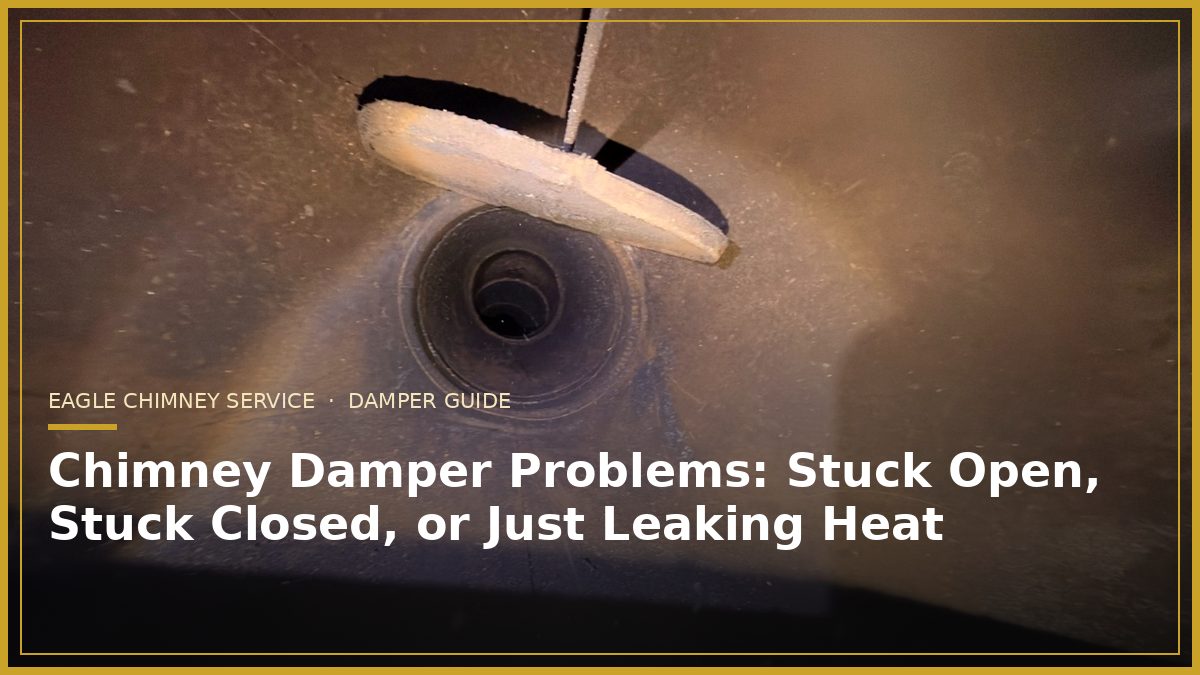
A cold draft at the hearth, smoke at light-up, or a handle that will not move can all trace to the damper. How dampers fail, what you can check, and the repair options.
Read the Article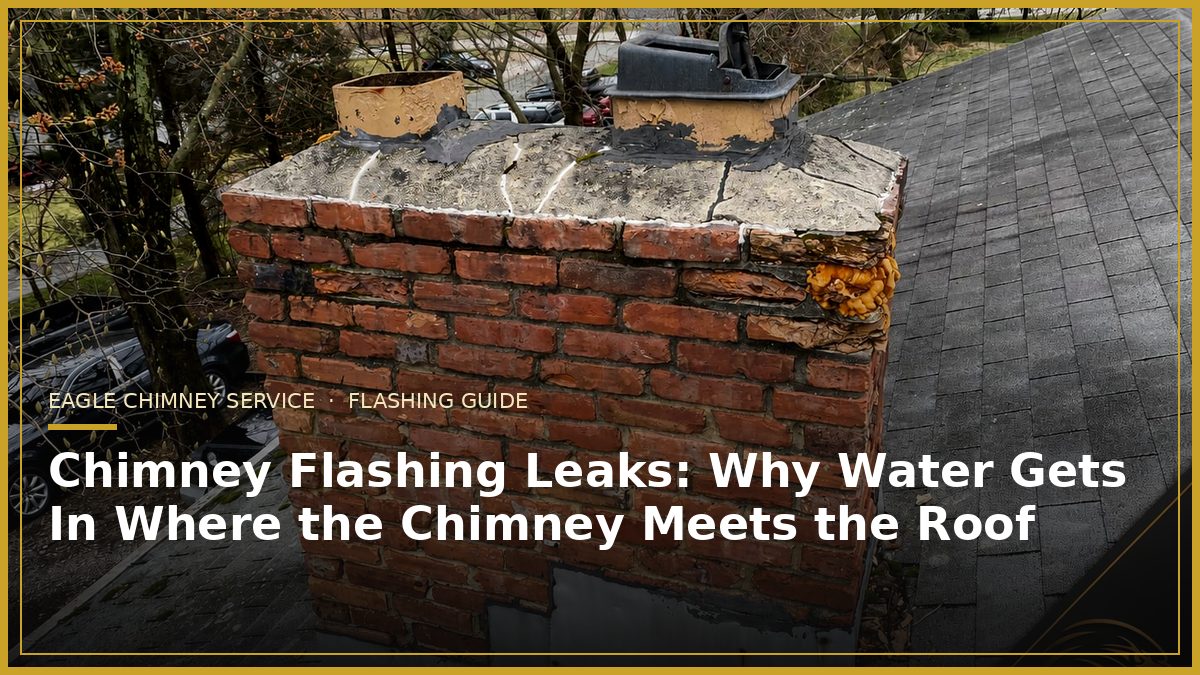
A stain below the chimney is rarely a roof problem alone. How step and counter flashing work, how they fail in Maryland weather, and how a real repair is chosen.
Read the Article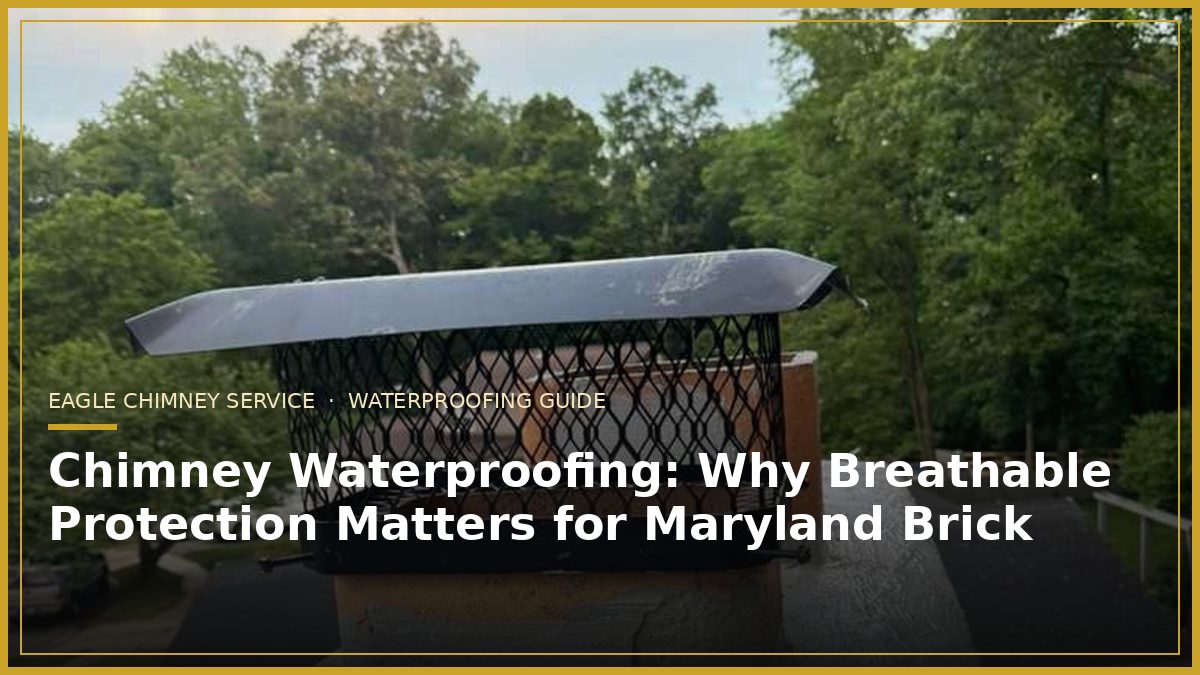
Brick drinks rain, then winter freezes it from inside. How breathable waterproofing stops liquid water without trapping vapour — and when a chimney is ready for it.
Read the Article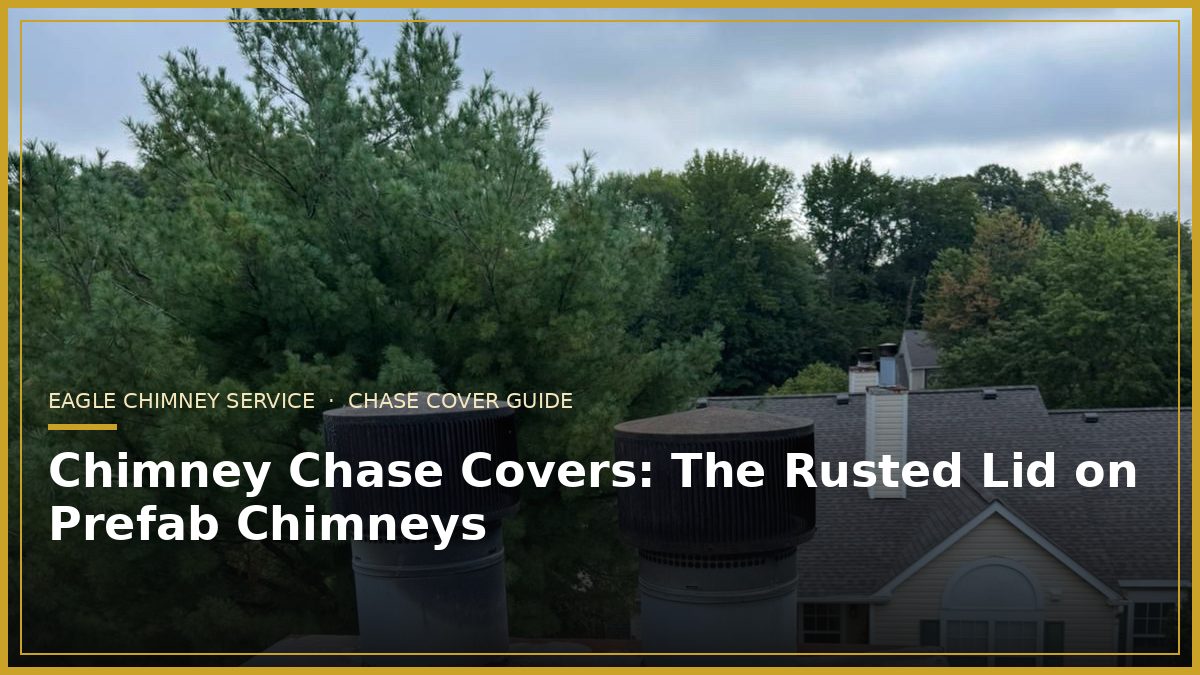
Prefab chimneys wear a metal lid called a chase cover. When the factory galvanized cover rusts through, rain pours straight into the chase — here is how to spot it and what replaces it.
Read the Article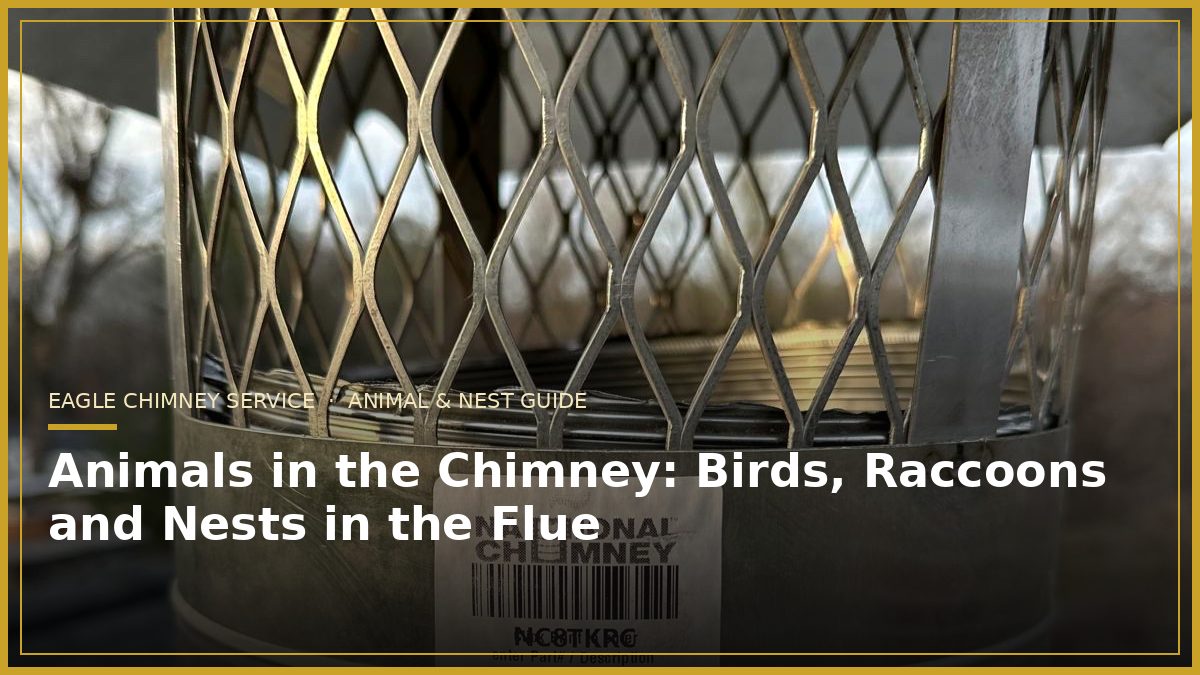
Scratching, chirping or a nest blocking the flue is more than a nuisance — it is a draft and fire risk. What moves in, what never to do, and how humane removal and a proper cap end it.
Read the ArticlePhoto-documented work, upfront written estimates, and a crew that treats your chimney like a fire-safety system — because it is one.