
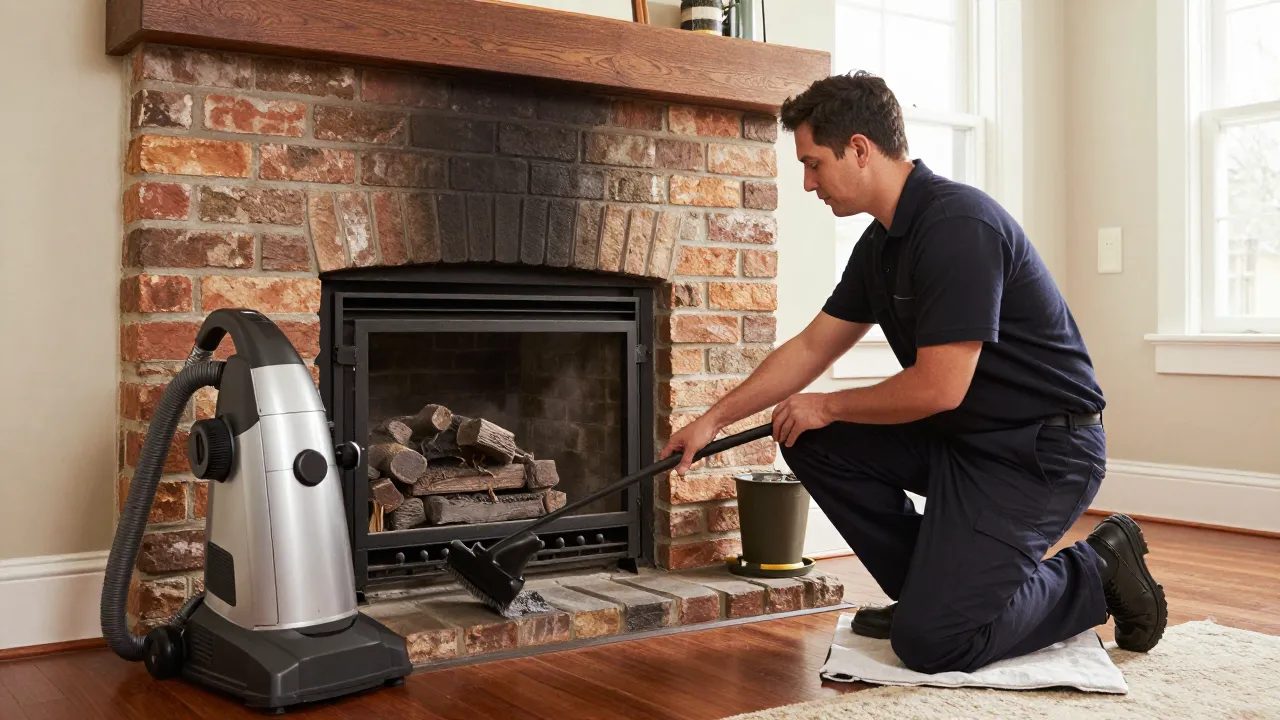
Signs Your Chimney Needs Cleaning
Campfire smell in July, smoke rolling back, black flakes in the firebox — the seven signs your flue is asking for a sweep before burn season.
Read the Article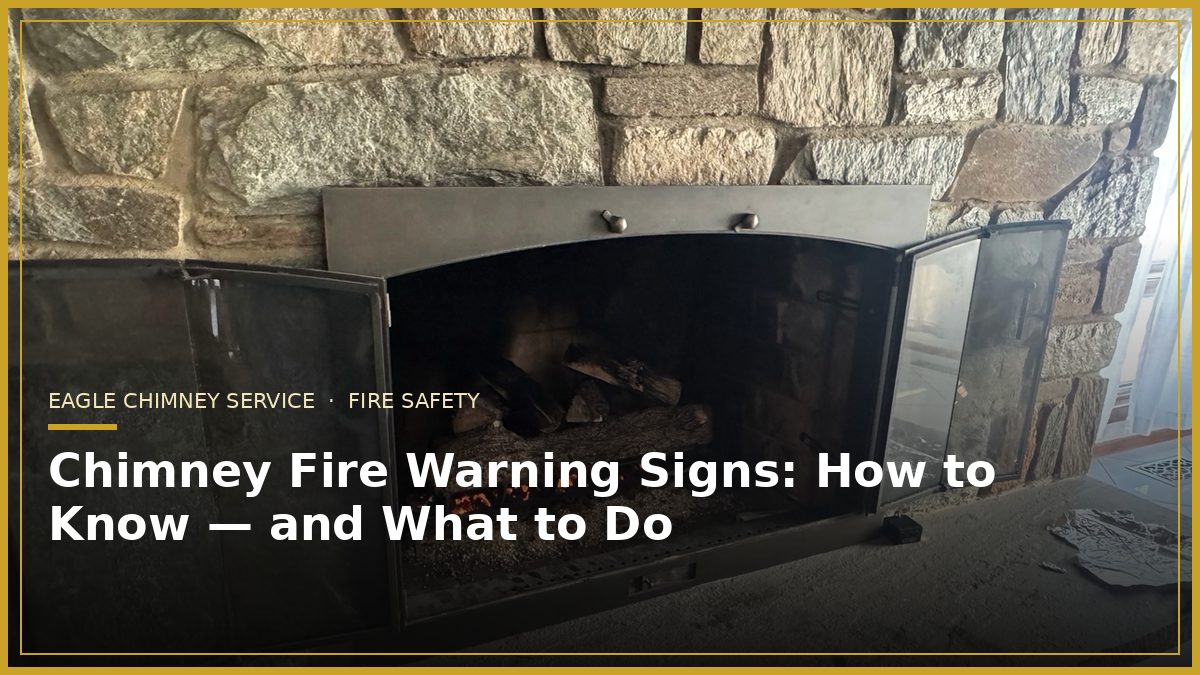
The fast answer: a chimney fire is not the fire in your firebox — it is the creosote coating inside the flue catching fire. The clearest signs are a loud roaring or crackling sound coming from the chimney, unusually dense smoke from the top of the stack, an intense hot smell, and sometimes flames, sparks or glowing material visible at the chimney top. If you suspect one: get everyone and pets out of the house, call 911 from outside, and do not use the fireplace again until a Level 2 camera inspection has cleared the flue. The featured photo shows glowing embers in a real stone fireplace from one of our Maryland jobs — pretty at the hearth, and a reminder of how much heat the system above it has to handle safely.
Not every chimney fire announces itself dramatically. A large one roars. A smaller one can burn inside the flue while the room looks almost normal — the fire in the box may even seem to draw unusually well for a few minutes, because a burning flue pulls hard. That is why sweeps take the quieter signs seriously too, and why a fireplace should never be left to burn unattended overnight. The fuel is the creosote described in our guide to the three stages of creosote: the more that has built up, and the more glazed it is, the more there is to burn.
Keep this sequence simple, because there is no decision tree in an emergency:
This is the step homeowners most often skip, and it matters as much as the emergency itself. Even a small chimney fire can crack clay liner tiles, open mortar joints and damage a metal liner — invisibly, from anywhere you can stand in the living room. The next ordinary fire then vents heat and gases through those cracks. So the rule is absolute: no more fires until the flue has been inspected from inside.
That inspection is a Level 2 camera inspection: the camera runs the full height of the flue and documents every tile and joint, exactly as our comparison of Level 1 vs. Level 2 inspections explains. You should come away with images showing whether the liner survived, needs repair, or needs relining — and a written statement of whether the system is fit to use. If anyone recommends a repair after a chimney fire, ask to see the footage it is based on.
Sometimes the first evidence is found at a routine sweep, in a house that never called 911: creosote that has puffed and expanded into a honeycomb texture, cracked or displaced liner tiles on camera, warped damper metal, or baked, discoloured masonry at the top of the stack. If a sweep shows you findings like these, treat the conversation seriously even if you never noticed an event — the flue is reporting its own history, and the safe response is the same camera-led assessment before the fireplace goes back into service.
Chimney fires need fuel, and the fuel is removable. The prevention rhythm is the one repeated across this blog because it works: inspect every year, sweep when deposits reach 1/8 inch, burn dry seasoned hardwood in hot, brisk fires instead of long smoulders, and keep working smoke and carbon monoxide detectors on every level of the home. Our winter fire safety checklist walks through the burning habits in detail, and the signs your chimney needs cleaning covers the early clues that appear long before anything ignites. Late November, with Maryland fireplaces settling into nightly use, is exactly the right moment to be caught up.
If the event was recent, tell us that first: a post-fire camera inspection is a different visit from a routine sweep, and it should be scheduled as one. If nothing has happened and you simply want the flue documented clean and sound before the coldest weeks, that is the same visit working in your favour. Eagle Chimney Service is Licensed & Insured · MHIC #117311, and every inspection ends with photos of what we found, emailed the same day. Call (855) 424-6217 or send the lead form on our appointment page.
Talk to a specialist — photo-documented inspections and upfront written estimates across 375 communities in Maryland, DC and Northern Virginia.
Campfire smell in July, smoke rolling back, black flakes in the firebox — the seven signs your flue is asking for a sweep before burn season.
Read the Article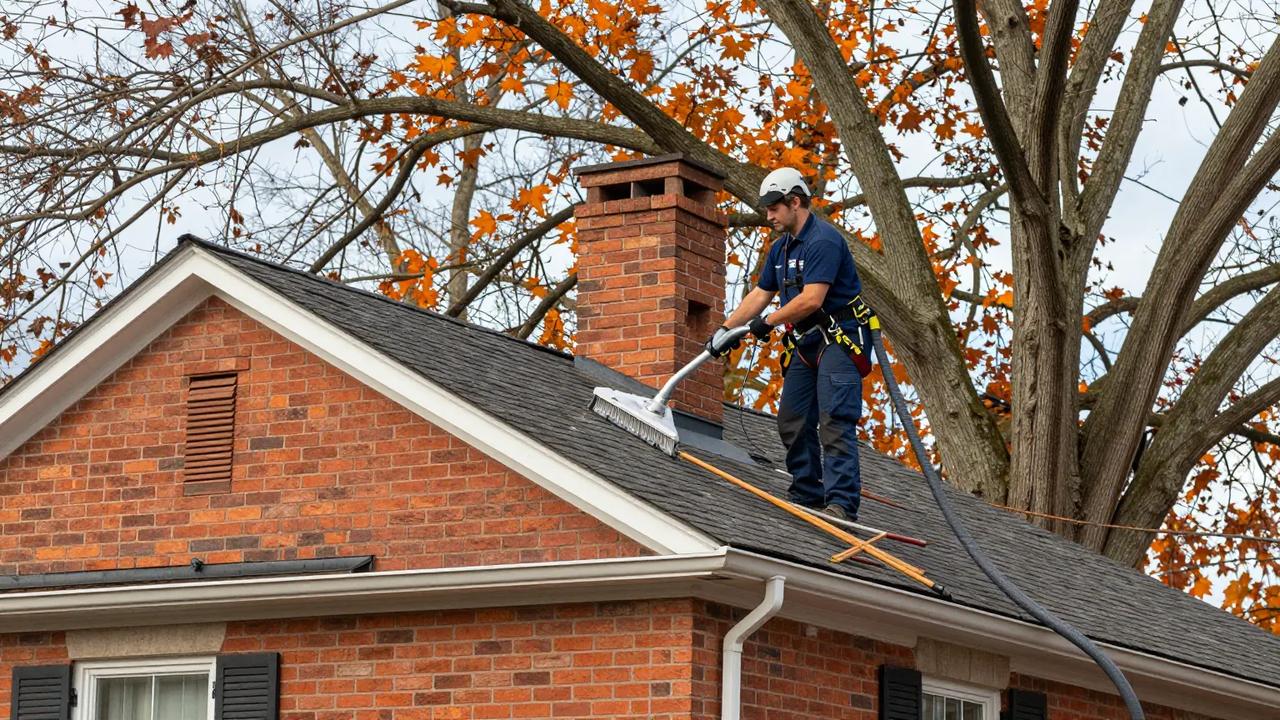
What actually drives the price of a chimney sweep in Maryland — flue count, creosote stage, access — and how to read any quote you are given.
Read the Article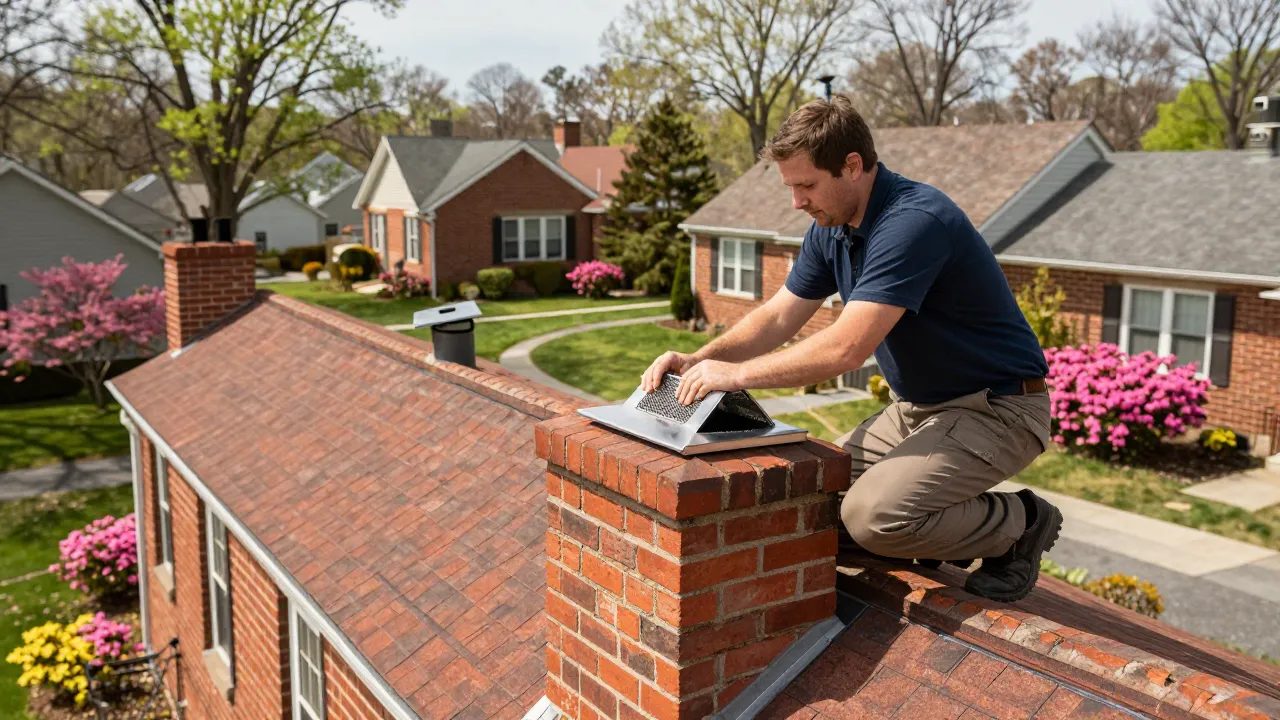
A cap costs a fraction of the repairs it prevents. The Maryland math on rain, raccoons and rusted dampers — and when a cap is not the answer.
Read the Article