
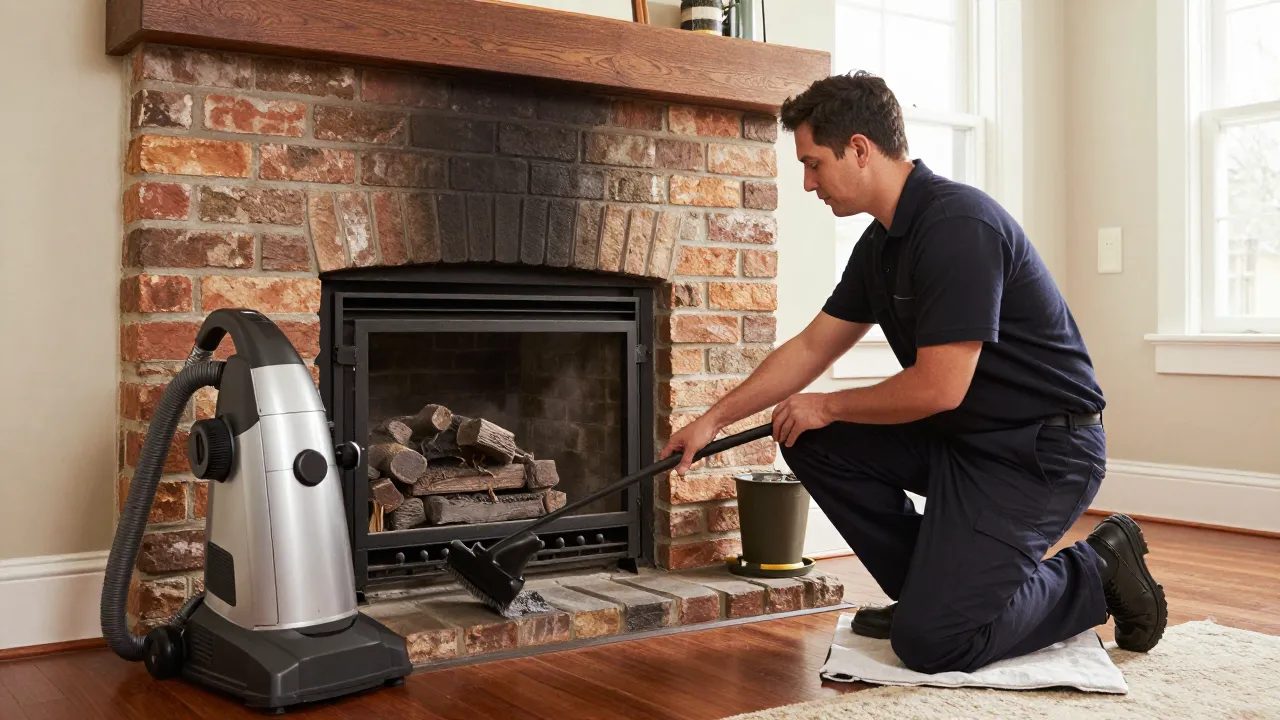
Signs Your Chimney Needs Cleaning
Campfire smell in July, smoke rolling back, black flakes in the firebox — the seven signs your flue is asking for a sweep before burn season.
Read the Article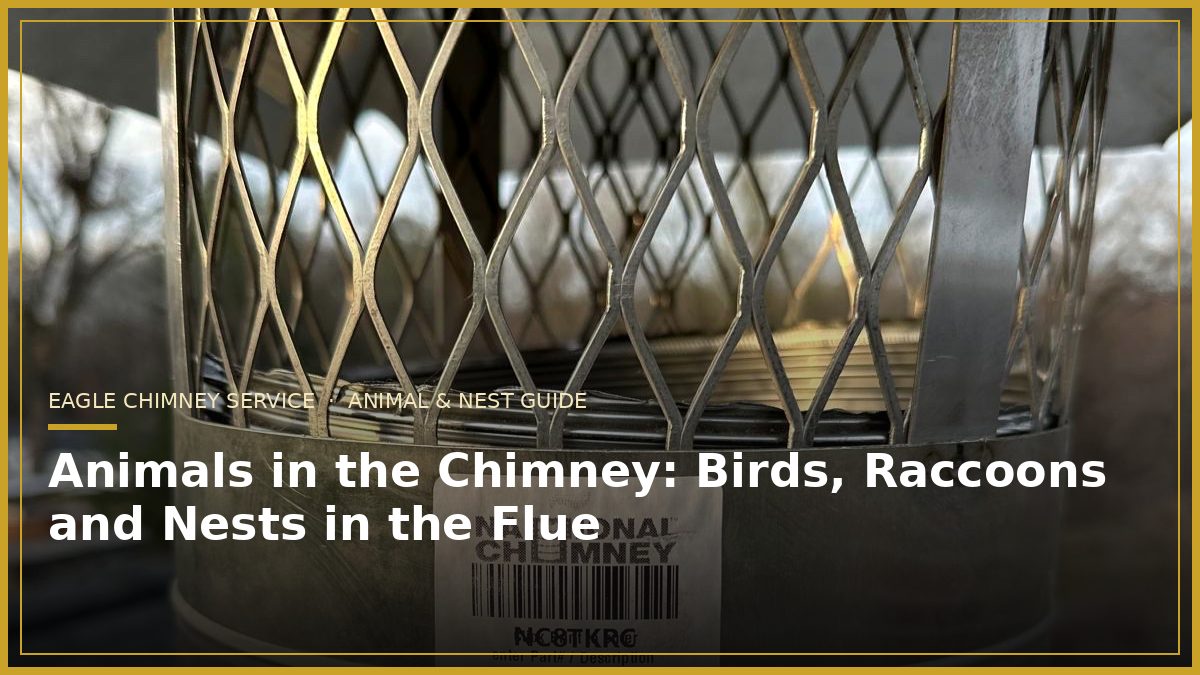
The fast answer: an open, uncapped flue looks like a safe hollow tree to birds, squirrels and raccoons — warm, dry and protected from predators. Once an animal or its nest is inside, do not light a fire to drive it out: smoke can kill the animal, push a nest deeper, and turn nesting material into a flue fire risk. The safe sequence is humane removal first, then a full sweep to clear nesting debris and creosote, an inspection of the flue, and a fitted mesh cap — the one in this article's photo — so nothing moves back in. Late November is a common discovery moment in Maryland, because the first fires of the season are when a blocked flue announces itself.
Different guests leave different evidence. Chimney swifts are small birds that nest on the inside wall of a flue in spring and summer; you hear chirping and fluttering, especially when the young are being fed. They are federally protected, which means they and their nests cannot simply be removed while active — the lawful answer is to wait until they migrate in the fall, then sweep and cap the flue before they return. Starlings, sparrows and other birds build twig nests that can partly or fully block a flue. Squirrels climb down looking for shelter and sometimes cannot climb back up a smooth liner. Raccoons treat a wide masonry flue as a den, and a mother with young in spring is a situation for patient, professional handling, not confrontation. Bats occasionally roost in a chimney as well. Our chimney animal removal work starts by identifying which guest you actually have, because the right response depends on the species and the season.
A nest is dry, loosely packed fuel sitting inside your exhaust system. If it ignites, it can start the kind of flue event described in our article on chimney fire warning signs. Even without igniting, a nest blocks the path smoke and carbon monoxide are supposed to take out of the house, and gases that cannot go up will find another way — into the room. Animal waste and carcasses add a sanitation problem in the smoke chamber and firebox, and a raccoon den adds weight and debris exactly where the damper needs to move freely. This is why the fireplace stays unused from the moment you suspect an animal until the flue is confirmed clear.
A proper visit works in a set order. First, the crew identifies the animal and its situation — from the hearth, from the roof, and, where it helps, with a camera in the flue. Live animals are encouraged or removed humanely, using one-way exits or direct removal appropriate to the species, and protected species like chimney swifts are handled on the lawful timetable: the flue is left alone while they are active and serviced after they have gone. Once the animal is out, the nest and debris come out and the whole system gets a chimney cleaning, because nesting material mixes with creosote on the smoke shelf and in the flue. Then the flue is inspected — a Level 1 check as a minimum, and a camera scan if the blockage may have hidden damage or if the fireplace smoked badly. Finally, and only once the flue is confirmed empty and clear, the cap goes on.
Removal without a cap is a temporary victory: the same open flue that invited the first guest will invite the next one, usually in the very next nesting season. A fitted cap with a mesh screen keeps birds, squirrels and raccoons out while letting smoke out freely, and it also keeps rain off the damper and debris out of the flue — the full case is made in our guide to whether a chimney cap is worth it. The mesh matters as much as the lid: a solid cover without a screen still leaves a gap an animal can work through, and a screen without a sound crown or chase cover above it leaves water a way in. Sizing is measured to your flue, not guessed, because a loose cap is both an animal door and a wind risk.
Keep the damper closed if it closes fully and safely, so nothing can enter the room, and keep pets and children away from the fireplace. Note when you hear the sounds — dawn activity, night scratching and constant chirping point to different guests — and whether you have seen anything at the top of the stack. Take a photo from the ground if an animal is visible at the chimney top. Then leave the system alone: no fires, no poking, no sealing. That short list genuinely speeds up the visit, because the crew arrives already knowing what they are likely to find.
Tell us what you are hearing and when, and we will tell you honestly what it sounds like and how urgent it is — before anyone climbs anything. If the flue is clear, the photos will say so. If something has moved in, you will see it, and the visit ends with the nest out, the flue swept and inspected, and a cap fitted so the story does not repeat next spring. Eagle Chimney Service is Licensed & Insured · MHIC #117311, and every job is photo-documented and emailed the same day. Call (855) 424-6217 or send the lead form on our appointment page, and let us make your chimney a chimney again — not a den.
Talk to a specialist — photo-documented inspections and upfront written estimates across 375 communities in Maryland, DC and Northern Virginia.
Campfire smell in July, smoke rolling back, black flakes in the firebox — the seven signs your flue is asking for a sweep before burn season.
Read the Article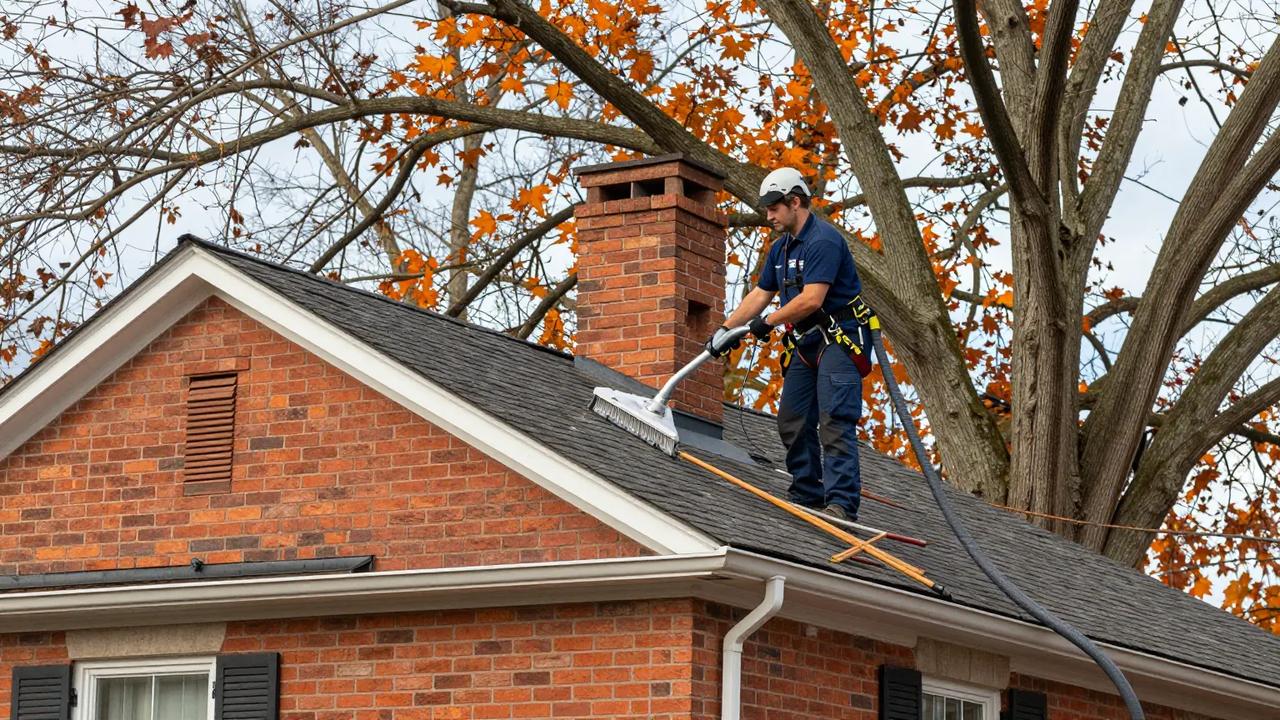
What actually drives the price of a chimney sweep in Maryland — flue count, creosote stage, access — and how to read any quote you are given.
Read the Article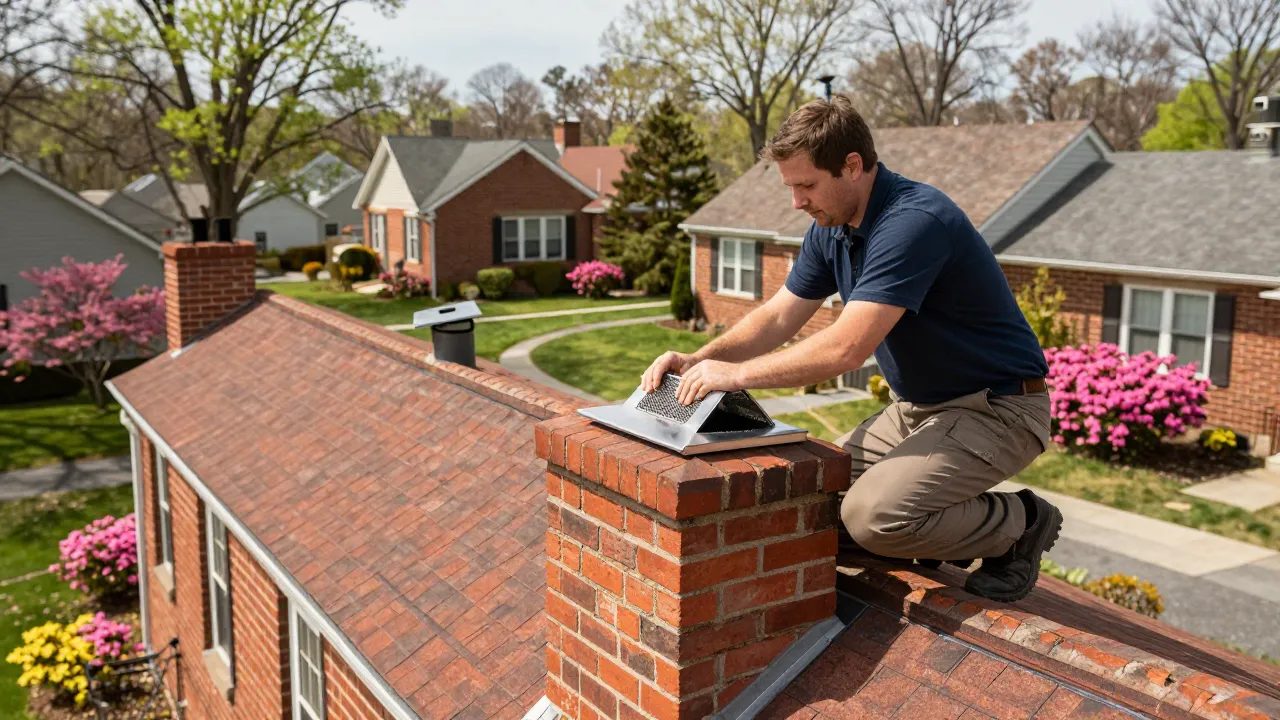
A cap costs a fraction of the repairs it prevents. The Maryland math on rain, raccoons and rusted dampers — and when a cap is not the answer.
Read the Article