
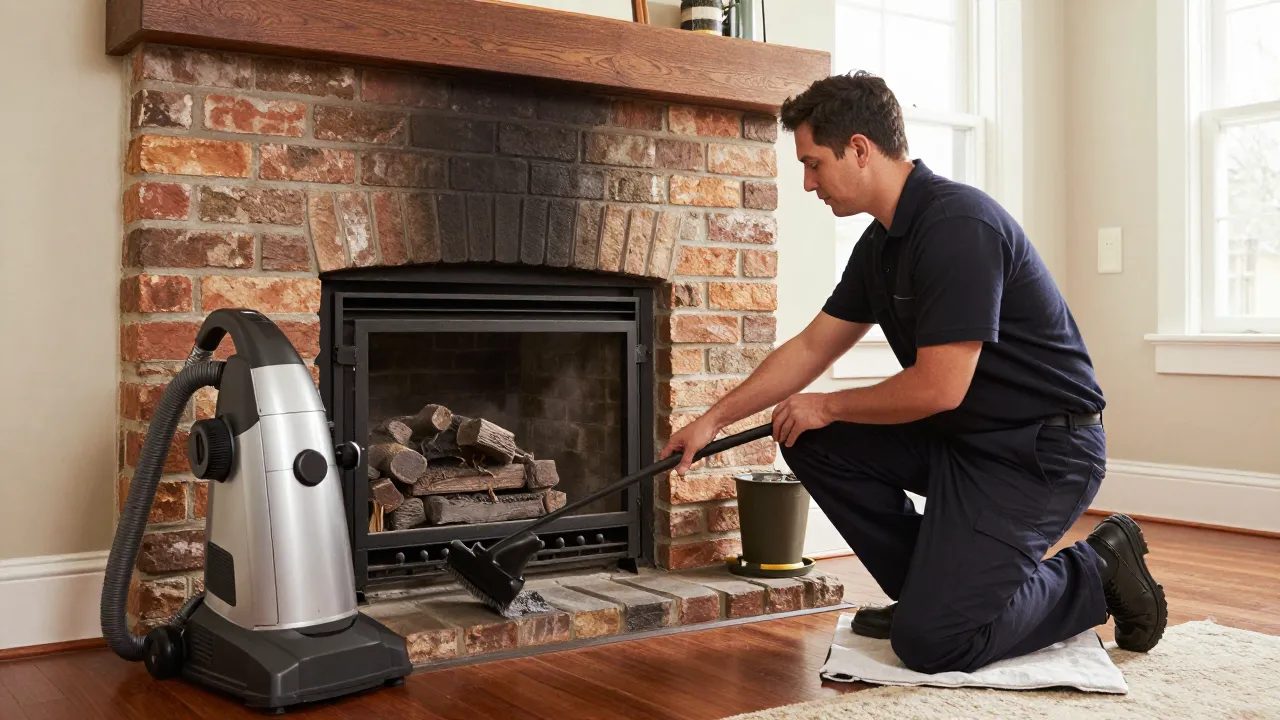
Signs Your Chimney Needs Cleaning
Campfire smell in July, smoke rolling back, black flakes in the firebox — the seven signs your flue is asking for a sweep before burn season.
Read the Article
The fast answer: when a home changes hands, the chimney should be inspected at Level 2 — with a camera run the full height of the flue — not just glanced at from the hearth. A general home inspection can note a cracked firebox or a missing cap, but it cannot see cracked liner tiles, open mortar joints or heavy glazed creosote hidden inside the flue. A Level 2 inspection documents those things with images before closing, so the buyer knows exactly what fireplace they are inheriting and the seller is not negotiating from a guess. The featured photo shows a real tall brick chimney on a Maryland home from one of our jobs.
For a homeowner who has lived with the same fireplace, the same fuel and no problems, an annual Level 1 inspection is usually the right check. A sale is different. The buyer has no history with the system: they do not know when it was last swept, whether it ever had a chimney fire, or whether the flue was ever relined. The seller, honestly, may not know either. That unknown is exactly what a Level 2 camera inspection is for. Our comparison of Level 1 vs. Level 2 inspections explains the difference in full — in a transaction, the camera is not an upgrade, it is the point.
The findings that matter most in a sale are usually invisible from the living room:
None of these automatically kill a sale. All of them are far easier to price, repair or credit fairly when they are documented with dated photos before closing instead of discovered during the first fire in the new home.
If you are buying, put the chimney on your inspection list by name. Ask when the system was last swept and inspected, and ask for the report if one exists. If there is no recent documentation — or the home has a wood stove, an insert or a gas conversion you plan to keep using — book the Level 2 inspection during your inspection period, while the findings can still inform the negotiation. Pay particular attention to any fireplace the seller has stopped using: a fireplace that was quietly abandoned sometimes was abandoned for a reason the camera can explain in one visit.
After closing, keep the report with your home records. It becomes your baseline: the dated starting point for the annual rhythm every chimney needs — inspect every year, and sweep when deposits reach 1/8 inch.
If you are selling, a recent inspection and sweep work in your favour. A documented, clean and sound flue removes a question from the buyer's mind and a lever from the negotiation. If the inspection does find something — a crown that needs sealing, a cap that should be replaced, a sweep that is simply due — handling the small items before listing is usually simpler than crediting them under time pressure later. What you should not do is guess in either direction: do not promise a flue you have not seen inside, and do not accept a large repair demand that is not backed by camera images. Documentation protects both sides equally.
Chimney inspections are seasonal, and late November sits in the middle of peak burning season in Maryland, DC and Northern Virginia, when appointment books fill fastest. The practical move is to order the chimney inspection at the same time as the home inspection, not after its report lands. That leaves room, if the camera finds liner damage, to get a written estimate based on the actual images — for relining, masonry repair or a chimney cleaning — while there is still time to agree on who handles what before settlement.
A transaction inspection should end with paperwork a stranger can rely on, because in a sale the reader is often exactly that — the other party, their agent or their lender. Expect a written report with photos of the firebox, the flue interior and the top of the stack, a plain statement of whether the system is fit to use as it stands, and, where work is recommended, an explanation tied to specific images. If a fireplace should not be used until a repair is made, the report should say so clearly. Vague warnings and undocumented emergencies help no one close a sale.
Tell us which side of the closing table you are on and when your inspection window ends, and we will schedule the camera accordingly. Eagle Chimney Service is Licensed & Insured · MHIC #117311, and every inspection ends with photos of what we found, emailed the same day. Call (855) 424-6217 or send the lead form on our appointment page, and go into closing knowing what is actually inside the chimney.
Talk to a specialist — photo-documented inspections and upfront written estimates across 375 communities in Maryland, DC and Northern Virginia.
Campfire smell in July, smoke rolling back, black flakes in the firebox — the seven signs your flue is asking for a sweep before burn season.
Read the Article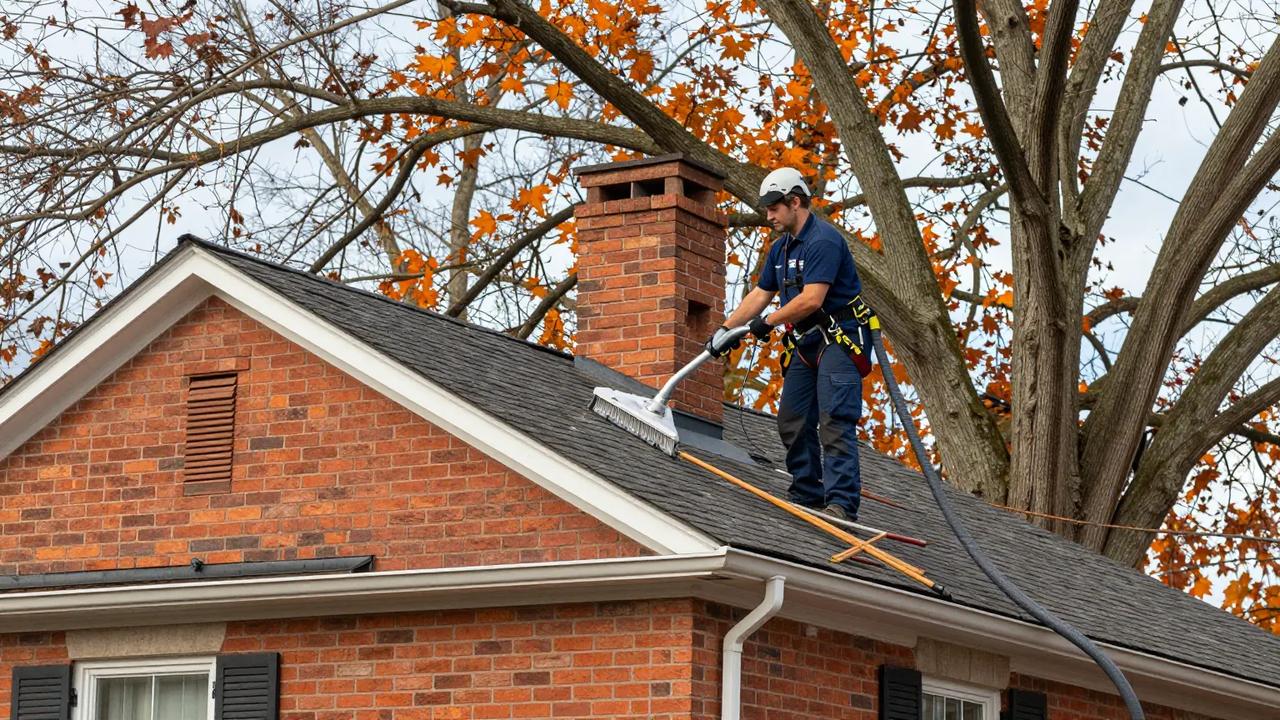
What actually drives the price of a chimney sweep in Maryland — flue count, creosote stage, access — and how to read any quote you are given.
Read the Article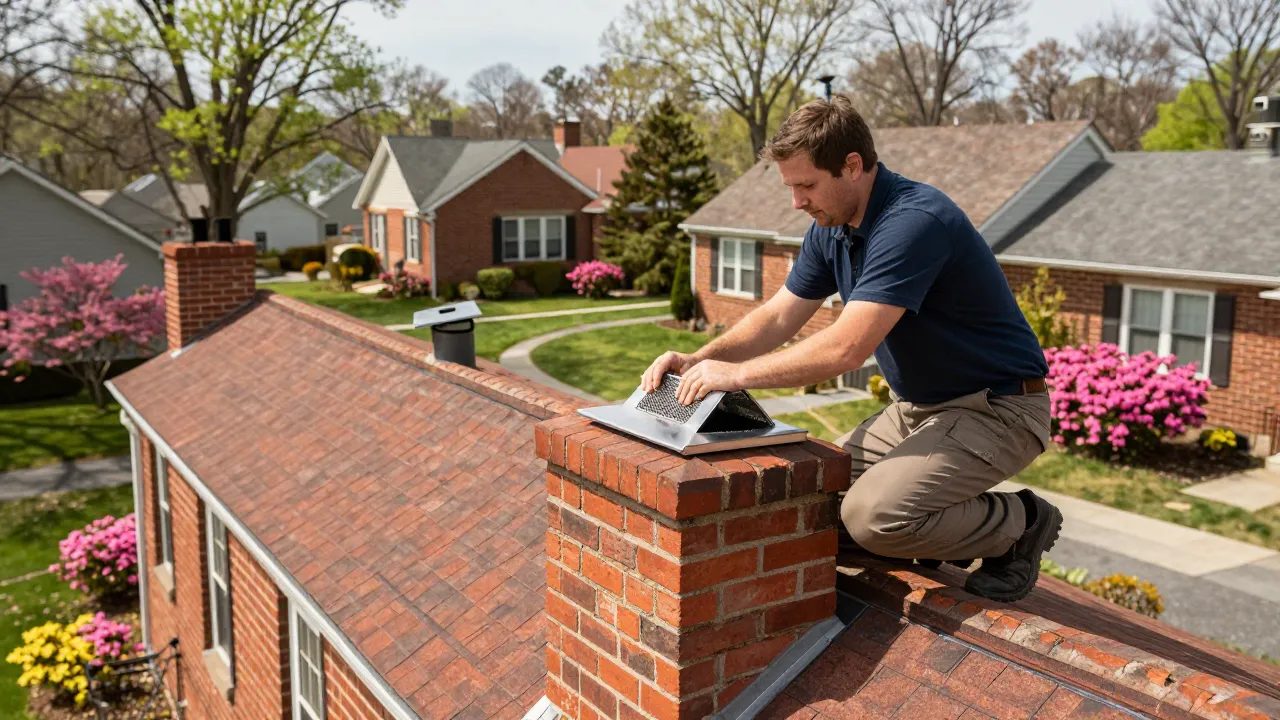
A cap costs a fraction of the repairs it prevents. The Maryland math on rain, raccoons and rusted dampers — and when a cap is not the answer.
Read the Article