
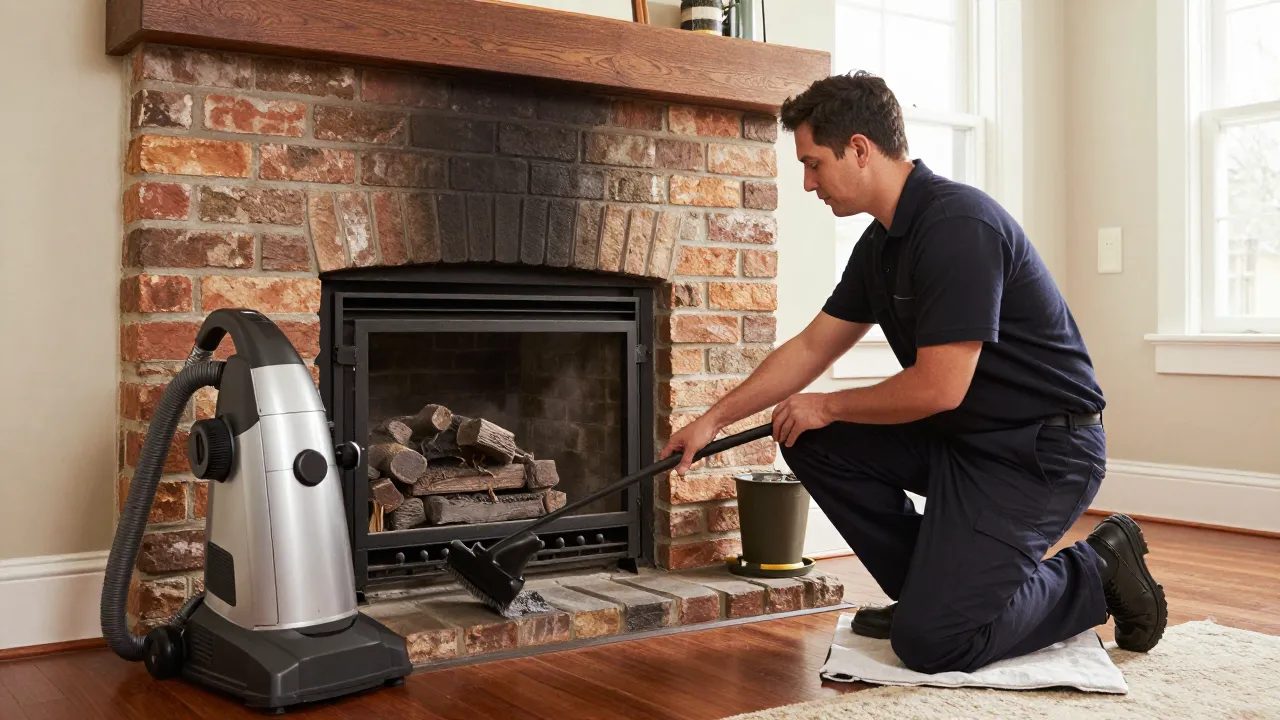
Signs Your Chimney Needs Cleaning
Campfire smell in July, smoke rolling back, black flakes in the firebox — the seven signs your flue is asking for a sweep before burn season.
Read the Article
The fast answer: if your chimney, your appliance and how you use them have not changed, and the system worked fine last season, a Level 1 inspection is your annual check. If anything has changed — a new appliance, a home sale, a chimney fire, recurring smoke, or damage you cannot see from the hearth — you need a Level 2, which adds a camera scan of the inside of the flue. When in doubt in November, ask before the heavy burning starts, not after.
A Level 1 is a careful visual inspection of everything a sweep can readily reach and see: the firebox, damper, smoke chamber, the visible flue opening, the exterior masonry, the cap and crown, and the flashing where the chimney meets the roof. The sweep checks that the structure is sound, the flue is not visibly obstructed, and creosote has not built up past the point where a sweep is due — the working rule is to sweep when deposits reach 1/8 inch.
Level 1 is the right inspection for a system in steady state: same fireplace or stove, same fuel, no problems last season, and no changes to the house around it. For most Maryland, DC and Northern Virginia homeowners, this is the annual visit that opens burn season with a clean bill of health — or catches the small problem while it is still small.
A Level 2 includes everything in a Level 1, then goes where eyes cannot. A camera is run the full height of the flue, recording the liner tile by tile and joint by joint. That is how cracked clay tiles, separated joints, and liner damage hidden behind the firebox get found — the featured photo on this article shows exactly that kind of separated flue-tile joint, invisible from anywhere in the living room.
A Level 2 also examines the accessible parts of the chimney system beyond the hearth: areas in the attic, crawl space or basement where the chimney passes through, the clearances around it, and the interior surfaces of the flue and smoke chamber in far more detail. No demolition is involved — the point is documentation. You should come away with images and a written picture of the flue's actual condition, not an opinion about it.
Book a Level 2 whenever the question is no longer "is it clean?" but "is it sound?" The common triggers our Maryland crews see:
Plenty of chimneys only ever need Level 1, year after year: the system is unchanged, it drafts well, the last sweep was on schedule, and nothing about the house or the appliance is new. That is not cutting a corner — it is the inspection the situation calls for. The mistake is the opposite one: ordering the lighter inspection when one of the triggers above is sitting in plain sight, especially a home purchase or a fireplace that has had a fire event.
Whichever level you book with Eagle Chimney Service, the visit ends the same way: photo documentation of what was found, emailed to you the same day, and a plain explanation of what — if anything — should happen next. If the flue is clean and sound, we say so and the report shows it. If a repair is warranted, you see the same images we are looking at before you are asked to decide anything. Eagle Chimney Service is Licensed & Insured · MHIC #117311.
Describe what changed — the new insert, the house you are about to buy, the smoke that started in October — and we will tell you honestly which inspection fits, before you pay for either. Call (855) 424-6217 or send the lead form on our appointment page, and we will get your chimney cleared for the season.
Talk to a specialist — photo-documented inspections and upfront written estimates across 229 communities in Maryland, DC and Northern Virginia.
Campfire smell in July, smoke rolling back, black flakes in the firebox — the seven signs your flue is asking for a sweep before burn season.
Read the Article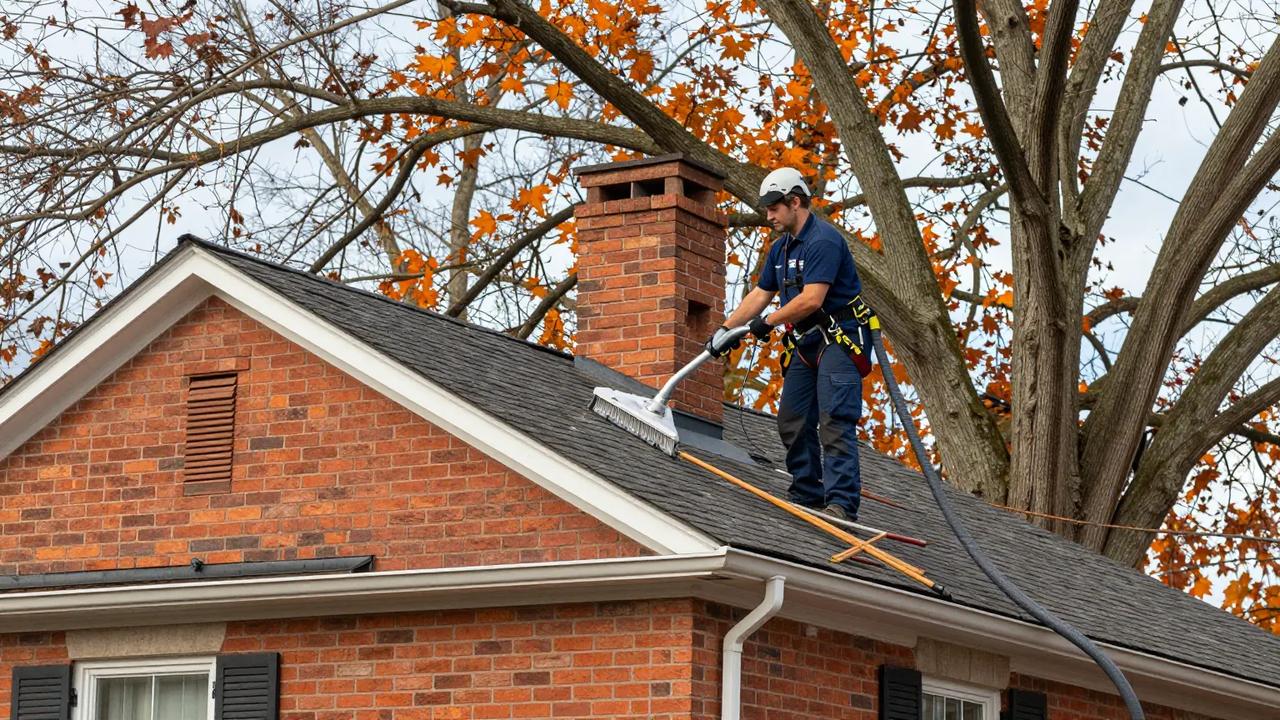
What actually drives the price of a chimney sweep in Maryland — flue count, creosote stage, access — and how to read any quote you are given.
Read the Article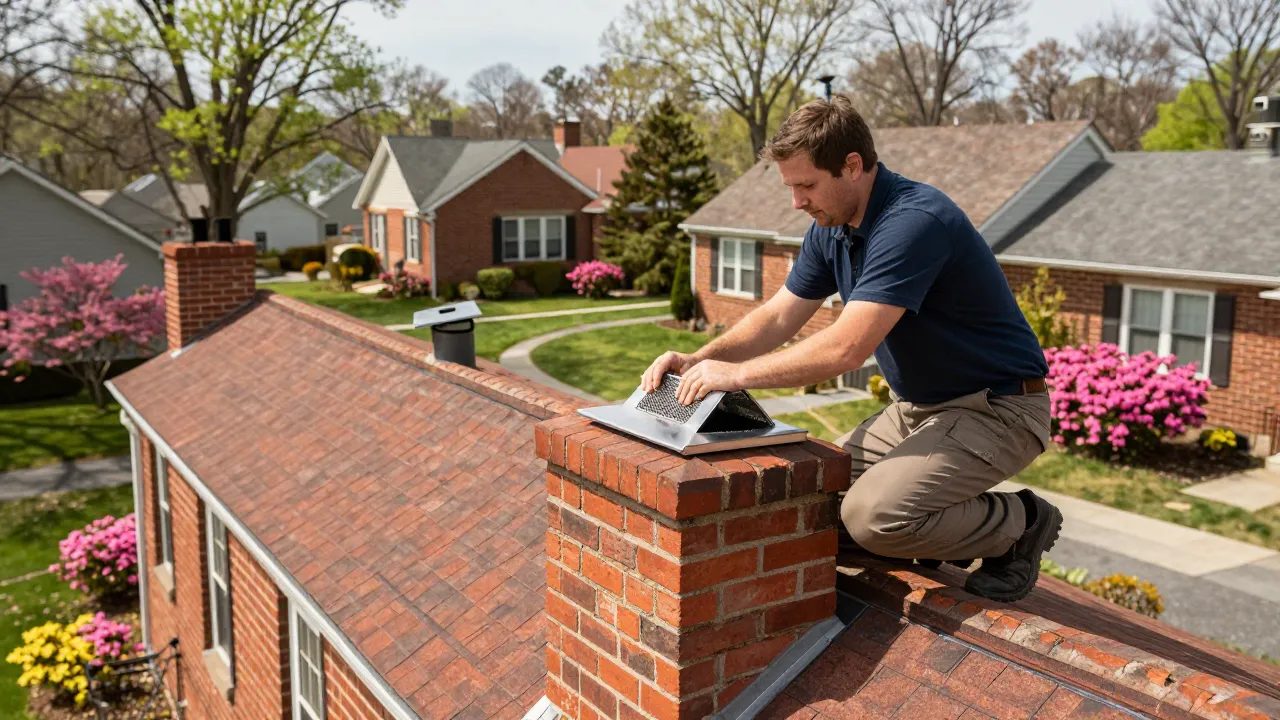
A cap costs a fraction of the repairs it prevents. The Maryland math on rain, raccoons and rusted dampers — and when a cap is not the answer.
Read the Article