
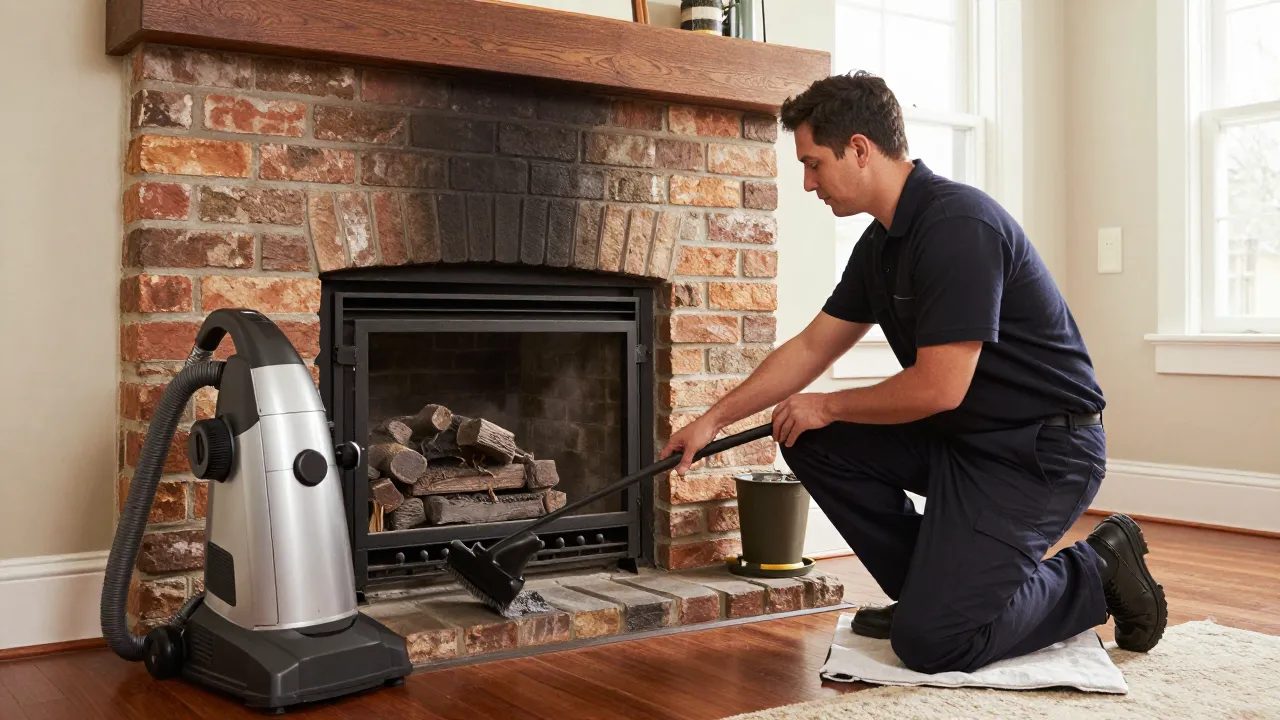
Signs Your Chimney Needs Cleaning
Campfire smell in July, smoke rolling back, black flakes in the firebox — the seven signs your flue is asking for a sweep before burn season.
Read the Article
The great selling point of a gas fireplace is that it asks for nothing: no wood to stack, no ash to shovel, a fire at the touch of a remote. That convenience hides a quiet truth — a gas fireplace is a fuel-burning appliance with a pilot, valves, sensors and a venting system, and every one of those parts drifts, dirties and wears. Manufacturers call for annual service. Here is what that visit actually covers, and why skipping it eventually shows up as a fireplace that will not light on the first cold night of the year.
Most "my gas fireplace won't stay lit" calls trace back to a few small parts. The pilot flame heats a thermocouple or thermopile that generates the tiny electrical signal telling the gas valve it is safe to stay open. A pilot assembly filmed with dust and oxidation produces a lazy, yellow-tipped flame that under-heats the sensor; the sensor's output fades; the valve closes — correctly, by design. Annual service cleans the pilot orifice and assembly, checks the flame pattern, and tests the sensor's output with a meter instead of guessing. When the reading is marginal, the part is replaced before it strands you in January.
Burner ports clog with dust, pet hair and the fine debris that settles into a firebox all summer, and clogged ports mean uneven flames, sooting and delayed ignition — the small "whoomph" on startup that means gas built up before it lit. Service vacuums and clears the ports, and re-seats the log set exactly to the manufacturer's arrangement: logs placed casually after a cleaning can impinge the flame and soot the glass within weeks. The glass itself is cleaned with the correct non-abrasive compound — gas fireplace glass develops a white mineral film from combustion byproducts, and household glass cleaners can etch the ceramic. On direct-vent units, the gasket seal is checked at the same time, because that seal is what keeps combustion gases on the right side of the glass.
A vented gas fireplace exhausts through a flue or a direct-vent pipe, and that path needs the same respect as a wood flue. Birds nest in terminations, caps corrode, and on converted wood fireplaces the old clay liner above the gas logs is still up there aging — gas exhaust is cooler and wetter than wood smoke, and its condensate works on mortar joints from the inside. Our fireplace services crews check the termination and cap, and where the gas unit vents into a masonry flue, a camera scan establishes the liner's real condition. Gas is cleaner than wood; it is not maintenance-free, and the venting is the part homeowners forget longest. If your system was converted from wood, our guide to converting a wood fireplace to gas covers what should have happened above the firebox at conversion time.
Every annual visit includes the checks that matter most and show least. Connections are leak-tested. The fireplace's operation is verified through a full cycle — ignition, main burner, fan if fitted, shutoff. Carbon monoxide is the reason none of this is optional decoration: a gas appliance that is not burning cleanly, or whose venting is compromised, can spill CO into the room without any smell or visible sign. Service also confirms the home's CO alarms are present and in date — and if they are not, that becomes the first recommendation on the report, ahead of everything cosmetic.
Vent-free units put all of their combustion byproducts — including a significant amount of water vapor — into the room by design, which makes their oxygen-depletion sensor and burner cleanliness even more critical. They are serviced on the same annual rhythm: sensor tested, logs and burner cleaned, and the room's CO alarm verified. If a ventless unit regularly trips its sensor or leaves moisture filming the windows, that is information about the installation, not a nuisance to reset away.
Late summer and early fall are the smart window — the same logic as the wood-burning side of our work. A September service visit finds the weak thermocouple while the part is a line item, not an emergency. Booked as part of a fireplace service visit in Bowie or anywhere on our routes, the gas check pairs naturally with the flue and cap inspection above it — one visit that covers the whole system, top to bottom.
A proper annual gas fireplace service leaves you with a fireplace that lights first try, burns with a clean flame pattern, vents through a verified path, and comes with a written record of what was tested. Eagle Chimney Service is Licensed & Insured · MHIC #117311, and every job is photo-documented and emailed the same day. Call (855) 424-6217 or send the form on our appointment page — and if your fireplace was converted from wood years ago and the flue has never been scanned since, tell us when you book. That scan is the most valuable hour the system can get.
Talk to a specialist — photo-documented inspections and upfront written estimates across 375 communities in Maryland, DC and Northern Virginia.
Campfire smell in July, smoke rolling back, black flakes in the firebox — the seven signs your flue is asking for a sweep before burn season.
Read the Article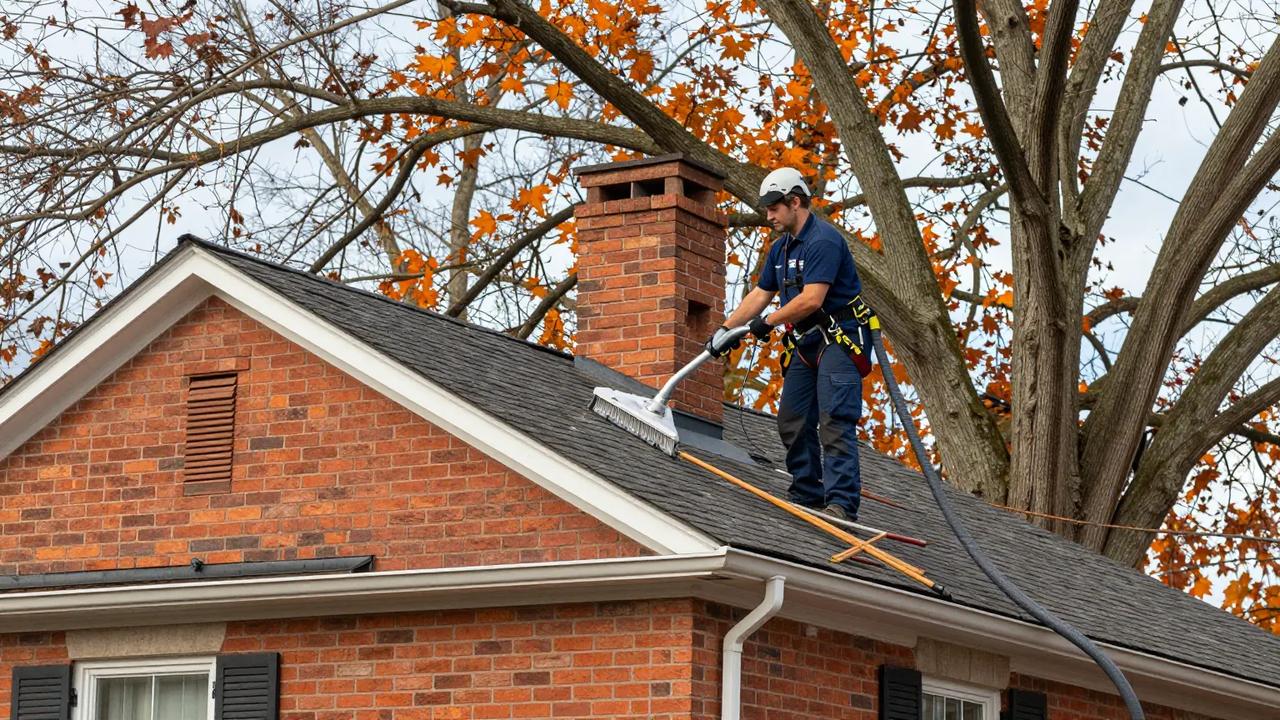
What actually drives the price of a chimney sweep in Maryland — flue count, creosote stage, access — and how to read any quote you are given.
Read the Article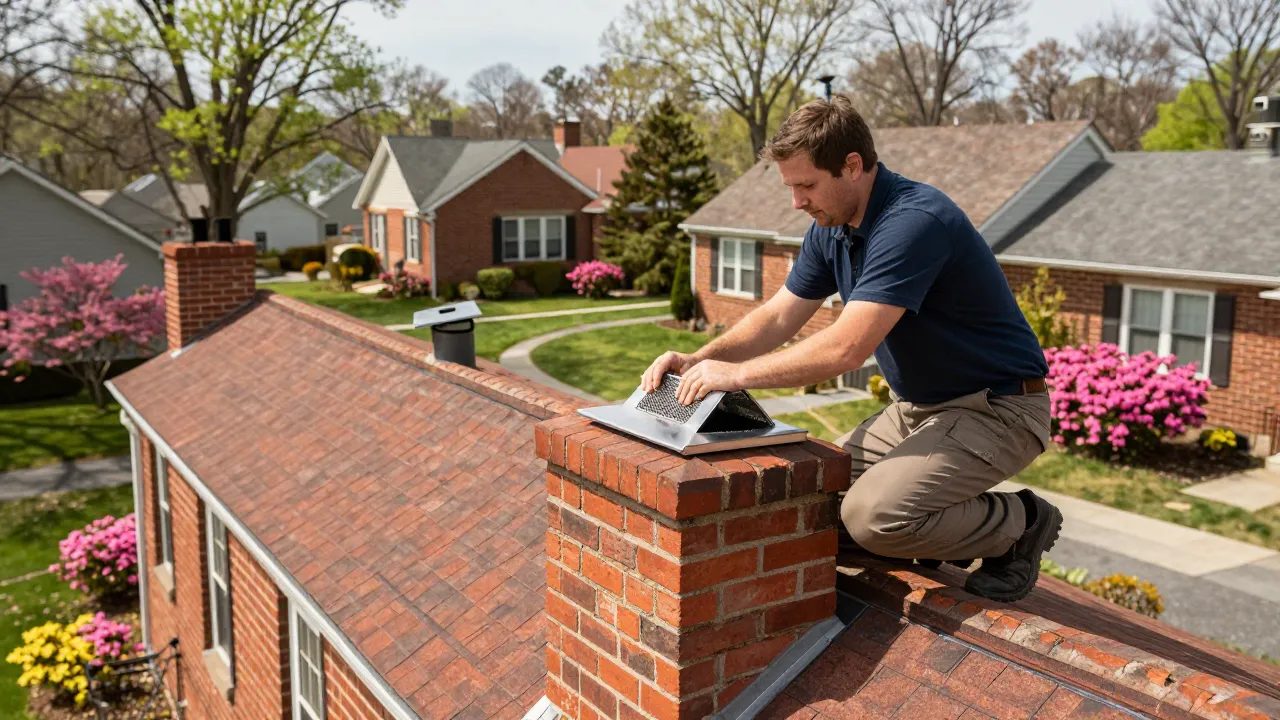
A cap costs a fraction of the repairs it prevents. The Maryland math on rain, raccoons and rusted dampers — and when a cap is not the answer.
Read the Article