
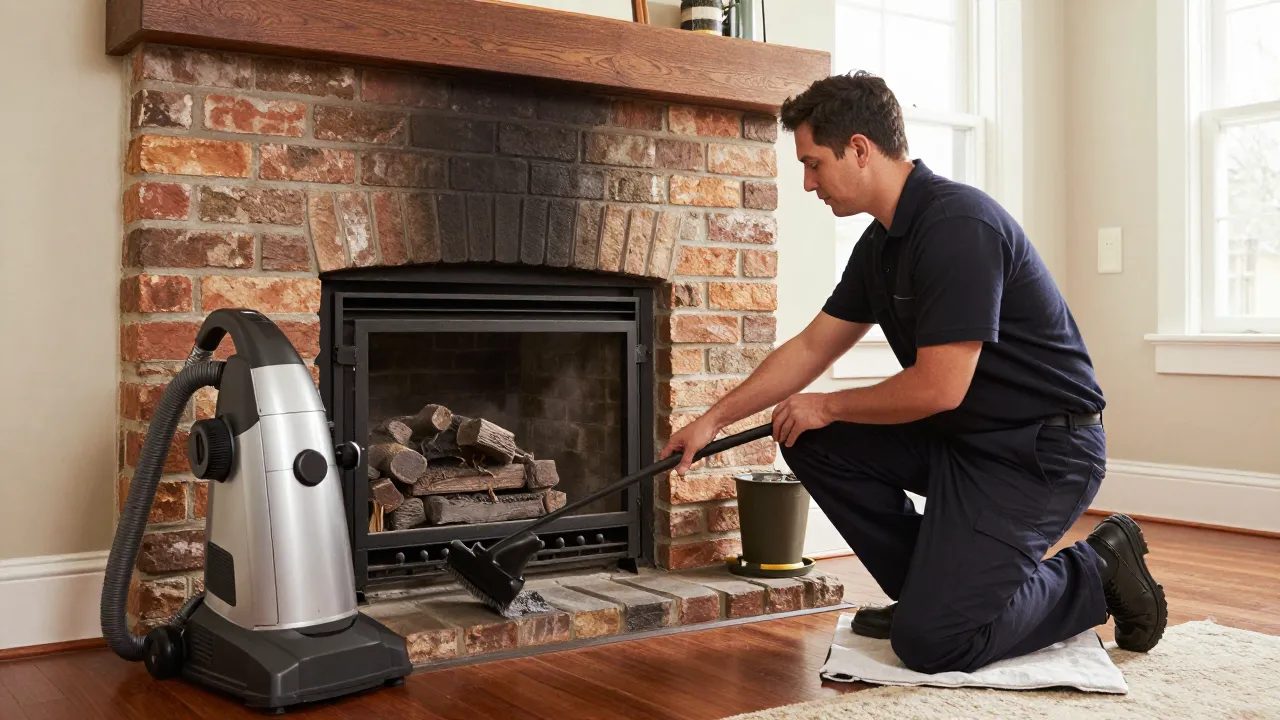
Signs Your Chimney Needs Cleaning
Campfire smell in July, smoke rolling back, black flakes in the firebox — the seven signs your flue is asking for a sweep before burn season.
Read the Article
The fast answer: preparing a chimney for winter means four things, in order. First, get it inspected and swept if deposits have reached 1/8 inch. Second, make sure the top of the stack — cap, crown and flashing — is keeping water and animals out. Third, stock dry, seasoned wood and check that the damper opens, closes and seals. Fourth, test your smoke and carbon monoxide detectors and warm the flue slowly on the first fire. Do those before Maryland's coldest weeks arrive, and most winter chimney problems never start. The featured photo shows a real stone chimney on a Maryland home from one of our jobs.
Winter preparation begins inside the flue, not at the woodpile. A Level 1 inspection is the annual visual check of the firebox, damper, smoke chamber, visible flue, cap, crown and flashing. If anything has changed since last season — a new appliance, a home purchase, recurring smoke, storm damage or a possible chimney fire — a Level 2 camera inspection is the right step, because it documents the liner tile by tile. Our comparison of Level 1 vs. Level 2 inspections explains which situations call for which.
Sweep when the inspection calls for it. Creosote is fuel stored inside the exhaust system, and it builds in stages from dusty soot to a hard, shiny glaze — our guide to the three stages of creosote shows why the stage matters as much as the thickness. A chimney cleaning before heavy burning removes that fuel while the work is still routine.
Most winter water damage starts at the top. A fitted cap keeps rain, snow, birds and raccoons out of the flue. The crown — the sloped concrete surface around the flue — sheds water away from the brickwork, and hairline cracks let moisture in that then freezes and widens through the season. Flashing seals the joint where the chimney meets the roof. You can spot some clues from the ground — white staining on the brick, spalling near the top, or a missing cap — but the honest check happens from the roof, with photos. Our guides to chimney caps and chimney crown damage explain what each part does and how repair is chosen.
Open and close the damper on a cold fireplace and confirm it moves fully both ways. A damper stuck open leaks heated room air up the flue all winter. A damper that only opens partway narrows the exhaust path and can push smoke back into the room. If smoke has rolled back in past seasons, do not assume the wood was to blame — our article on why smoke comes back into the house walks through cold flues, blockages, house pressure and sizing, and how to tell them apart.
Burn dry, seasoned hardwood that has been split, stacked and dried, ideally under 20 percent moisture. Wet or green wood burns cooler and dirtier, produces more smoke, and lays down creosote faster. Store the working pile off the ground, covered on top, with air able to move through it, and keep only a small amount indoors at a time. Build hot, small fires rather than big smoldering ones — a fire damped down to smolder overnight is hard on the flue and gives you less useful heat.
Give the fireplace a clear zone: move rugs, wood piles, decorations and holiday stockings well back from the opening while you burn, and use a screen or glass doors. Empty ash into a metal container with a tight lid and store it outside, away from the house and deck, because ash can hold live coals for days. Then test smoke and carbon monoxide detectors on every level and replace batteries or expired units. A damaged flue can leak carbon monoxide without any smell, so the detector is what makes an invisible problem loud.
On the first cold evening, warm the flue before settling in. A cold exterior chimney can hold a plug of cold air that pushes the first smoke into the room until the flue warms and starts to draw. Light a small, hot fire first, let the system warm, and watch how it drafts. If smoke spills on every fire, if a fireplace that always worked suddenly smokes, or if a carbon monoxide detector sounds, stop burning and get the system inspected — and if a detector sounds, leave the house and call emergency services first.
A proper preparation visit ends with documentation, not just advice: photos of the flue and the top of the stack, a plain explanation of what was found, and a written next step only where one is genuinely needed. If the chimney is clean and sound, the report should say so. That record is also useful through the season — if draft changes, odors appear or masonry stains show up in January, you have a dated starting point to compare against. Our step-by-step guide to what a chimney sweep visit includes shows the full sequence.
Late November is not too late — it is exactly when Maryland fireplaces start working every night, and a clean, checked chimney is the difference between a season of easy fires and a midwinter problem. Eagle Chimney Service is Licensed & Insured · MHIC #117311, and every visit ends with photos of what we found, emailed the same day. See the current seasonal offer on our deal page, call (855) 424-6217 or send the lead form on our appointment page, and let us get your chimney ready before the coldest weeks settle in.
Talk to a specialist — photo-documented inspections and upfront written estimates across 375 communities in Maryland, DC and Northern Virginia.
Campfire smell in July, smoke rolling back, black flakes in the firebox — the seven signs your flue is asking for a sweep before burn season.
Read the Article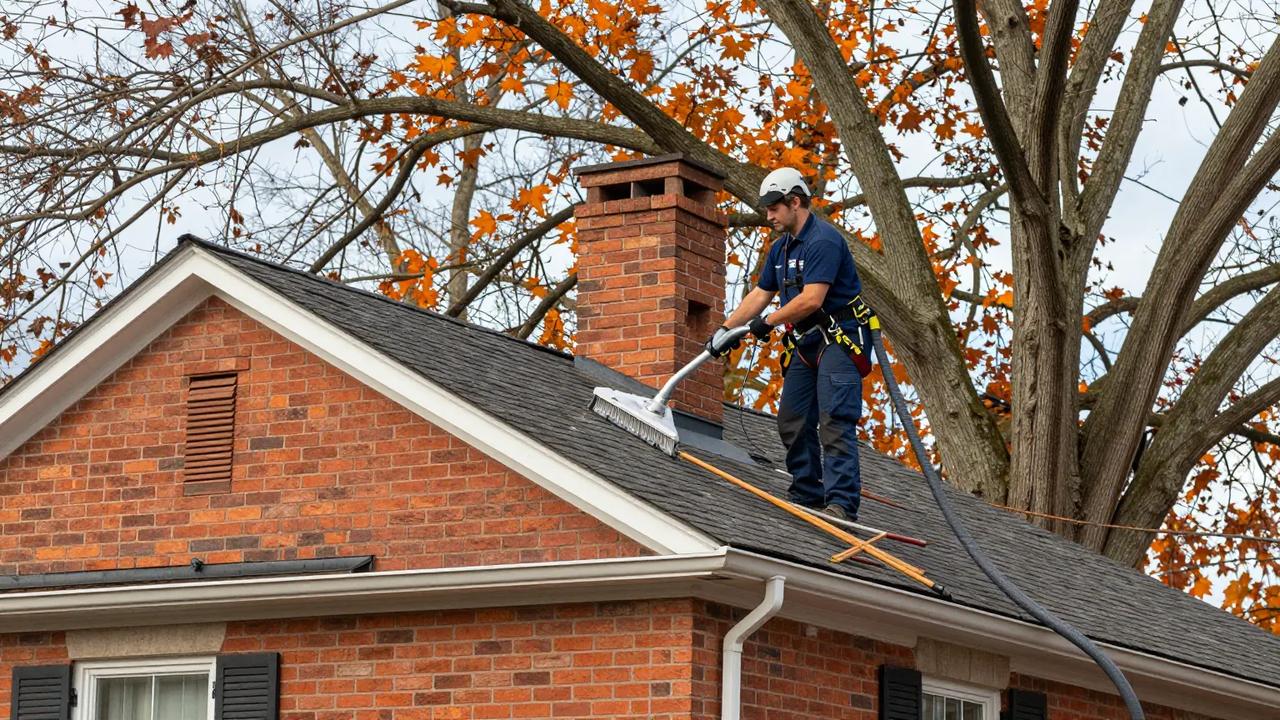
What actually drives the price of a chimney sweep in Maryland — flue count, creosote stage, access — and how to read any quote you are given.
Read the Article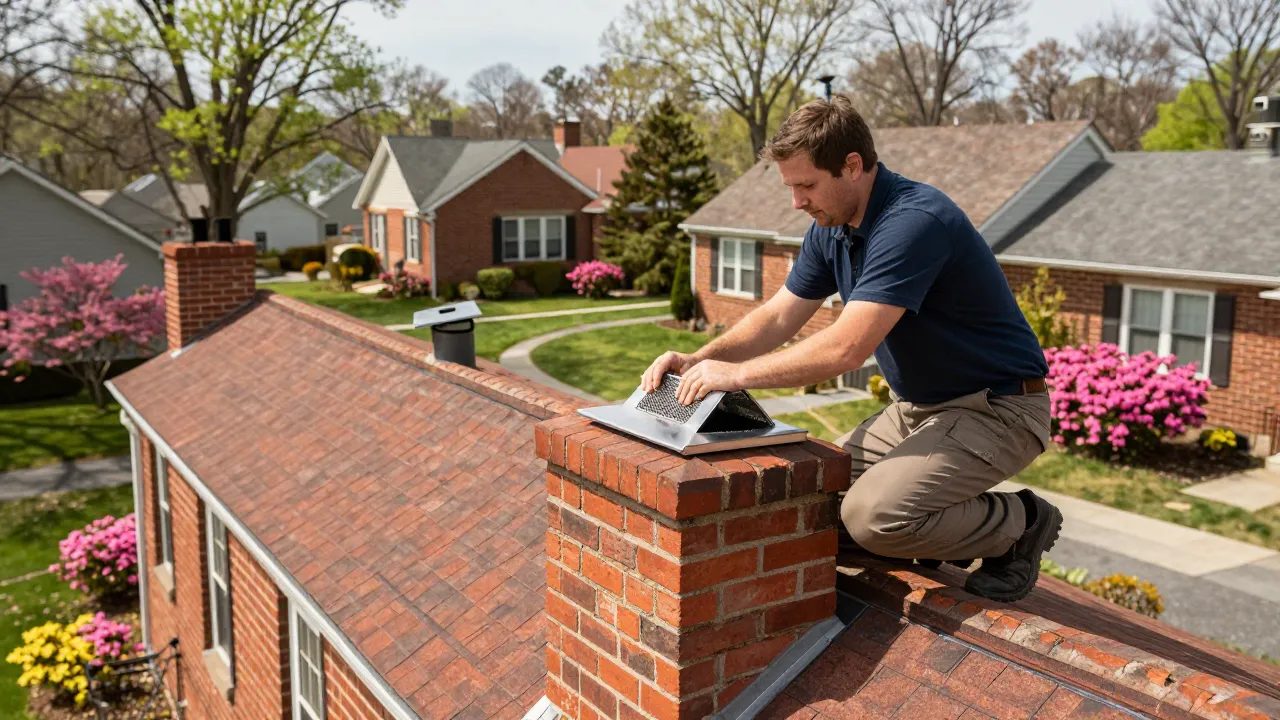
A cap costs a fraction of the repairs it prevents. The Maryland math on rain, raccoons and rusted dampers — and when a cap is not the answer.
Read the Article