
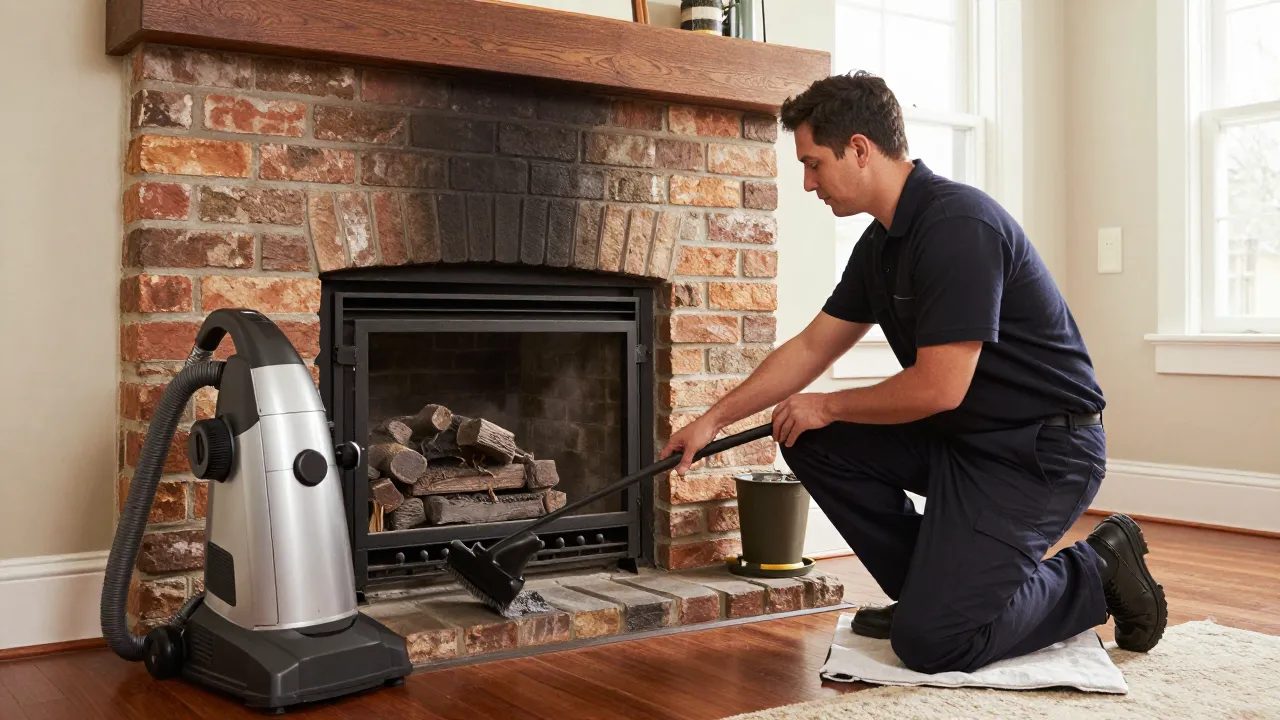
Signs Your Chimney Needs Cleaning
Campfire smell in July, smoke rolling back, black flakes in the firebox — the seven signs your flue is asking for a sweep before burn season.
Read the Article
The fast answer: the chimney crown is the sloped concrete slab that caps the top of a masonry chimney and sheds rain away from the flue and the brickwork. When it cracks — and in Maryland's freeze-thaw winters, unprotected crowns eventually do — water stops shedding and starts soaking in. A sound crown with hairline cracks can often be sealed with a flexible crown coat. A crown that is crumbling, pitched wrong or separated from the flue needs to be rebuilt. The featured photo shows a real crumbling crown close-up from one of our jobs: by the time concrete looks like that, sealing alone is no longer the fix.
Homeowners mix these up, and the mix-up matters because each part stops water in a different place. The cap is the metal cover over the flue opening itself — it keeps rain, animals and debris out of the pipe, and our guide to whether a chimney cap is worth it covers that choice. The crown is the surface around the flue: a concrete slab, ideally sloped so water runs off the edges and clear of the brick below. The flashing is the metal sealing where the chimney passes through the roof. A chimney can have a perfect cap and still soak itself through a failed crown, because the crown is the largest flat surface at the very top of the stack — it takes every rainstorm first.
You cannot judge a crown properly from the driveway, but the chimney leaves clues you can see, and a sweep confirms the rest from the roof during a visit:
None of these prove the crown alone is at fault — flashing and mortar joints fail too — which is why the honest first step is a look at the top of the stack, with photos, before any repair is quoted.
A crack is not the damage; it is the doorway. Rain enters, soaks the concrete and the top courses of brick, and then Maryland winter does the heavy work: water expands as it freezes, wedging the crack wider with every cold snap. Hairline cracks become open joints, open joints become crumbling edges, and the moisture works downward — into mortar joints, toward the flue liner, and eventually to the damper below. This is why crown damage is cheapest in the year it is caught: the repair stays at the top of the chimney instead of following the water down it.
Our chimney crown repair crews make the call from the concrete's actual condition, not its age:
What you should expect from any of the three: photos before and after, and an explanation tied to what the concrete actually looks like. If a company recommends a rebuild, ask to see the crumbling. If it recommends only a coating over visibly crumbling concrete, ask why.
Crowns fail slowly, which means simple habits genuinely extend their life. Keep a fitted cap on the flue — it reduces the water load the crown has to shed, and our chimney cap installation work is usually done in the same visit. Consider breathable chimney waterproofing for the masonry below: it lets vapour escape while stopping liquid water soaking in, exactly the combination brick needs. And fold the crown into the annual rhythm you keep for the flue — inspect every year, sweep when deposits reach 1/8 inch — because the crown check rides along with that visit. November is the smart month to catch it, before the hardest freeze-thaw weeks put every crack to work.
Send us a photo of what you can see from the ground, or book the visit and we will photograph the crown up close and show you exactly what shape it is in — sealed, repaired or rebuilt only as far as the concrete honestly requires. Eagle Chimney Service is Licensed & Insured · MHIC #117311, and every job is photo-documented and emailed the same day. Call (855) 424-6217 or send the lead form on our appointment page, and let us get the top of your chimney shedding water again before winter settles in.
Talk to a specialist — photo-documented inspections and upfront written estimates across 375 communities in Maryland, DC and Northern Virginia.
Campfire smell in July, smoke rolling back, black flakes in the firebox — the seven signs your flue is asking for a sweep before burn season.
Read the Article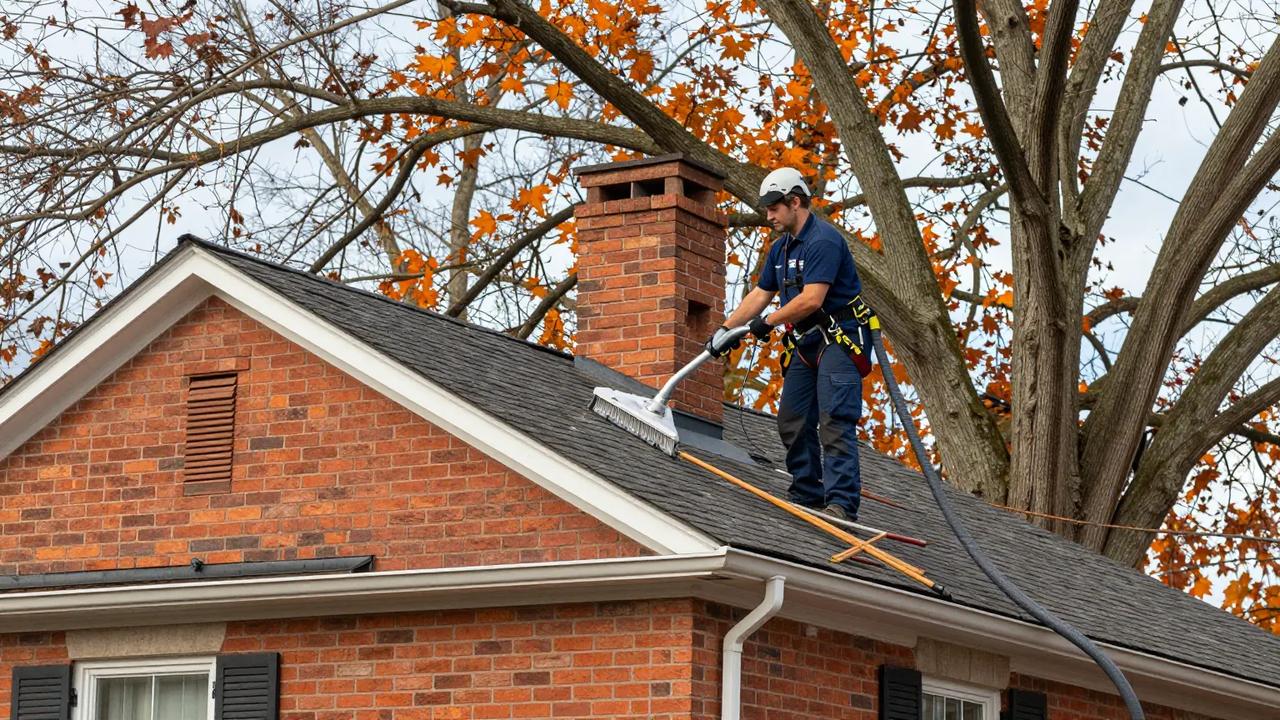
What actually drives the price of a chimney sweep in Maryland — flue count, creosote stage, access — and how to read any quote you are given.
Read the Article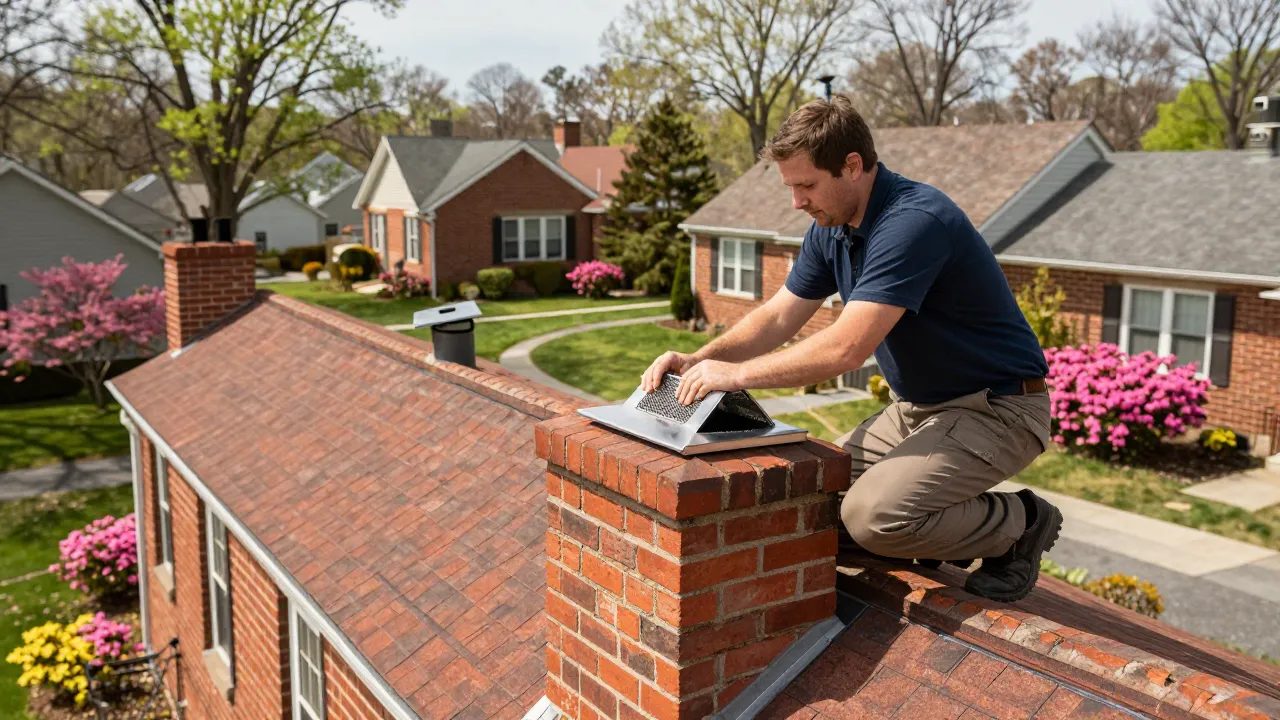
A cap costs a fraction of the repairs it prevents. The Maryland math on rain, raccoons and rusted dampers — and when a cap is not the answer.
Read the Article