
Signs Your Chimney Needs Cleaning
Campfire smell in July, smoke rolling back, black flakes in the firebox — the seven signs your flue is asking for a sweep before burn season.
Read the Article
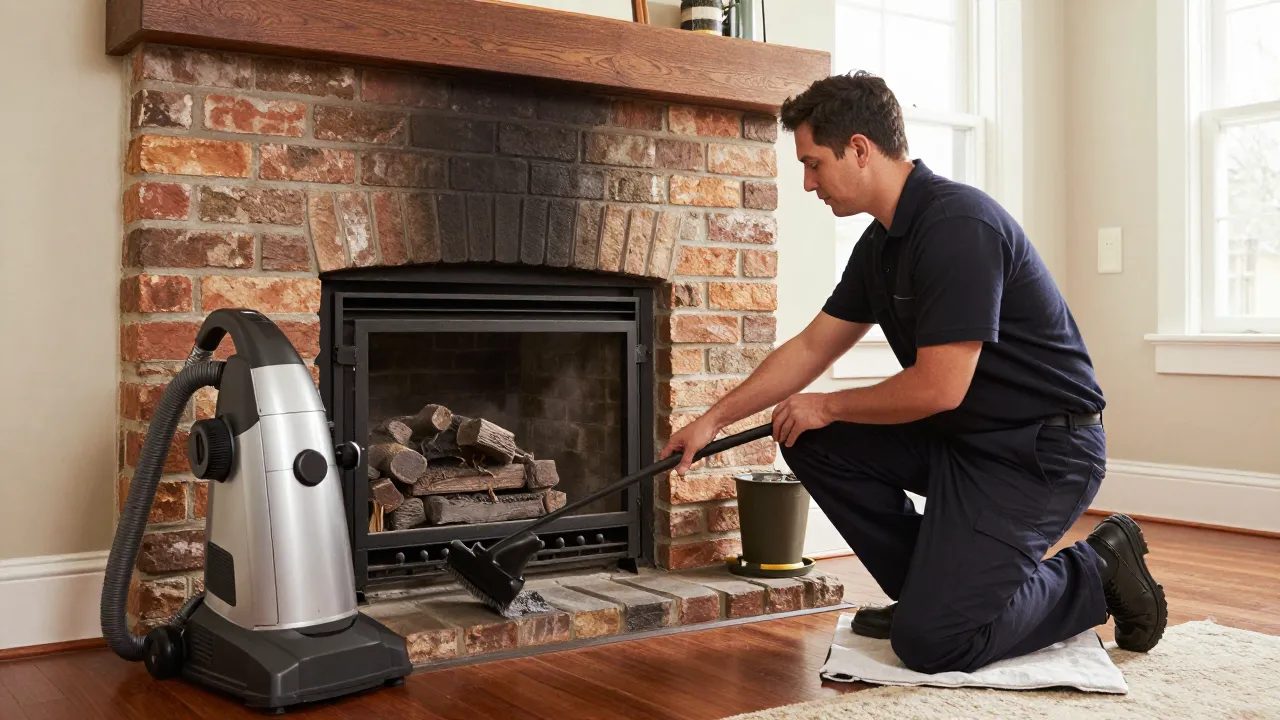
The fast answer: a proper chimney sweep visit is much more than a brush up the flue. The crew protects your room, inspects the fireplace and flue, sweeps the full system — flue, smoke chamber, firebox and damper — with HEPA containment so soot stays out of your living room, checks the top of the chimney, and finishes with photos and a plain explanation of what was found. The featured photo shows the first step on a real visit: the hearth sealed and the room covered before any brushing begins. Here is what the visit should actually include, step by step.
You do not need to clean the fireplace for us — that is literally the job — but three small things make the visit smoother. Let the last fire finish well before the appointment, so the firebox is completely cold; a sweep cannot work safely in hot ash. Clear the hearth and mantel of decorations, photos and anything fragile, and give the crew a clear path from the door to the fireplace. Pets do best in another room: doors open and close as equipment comes in, and the vacuum is not quiet. That is all. Ash in the box is fine — removing it is part of the service.
The first tools out of the truck are not brushes. They are drop cloths, protective sheeting and the HEPA vacuum. The hearth and the floor around it are covered, nearby furniture is protected, and the fireplace opening is sealed around the vacuum hose so loosened soot and creosote are drawn into containment instead of drifting into the room. This is the step that separates a professional chimney cleaning from a dusty one. If a crew starts brushing before anything is covered, that is worth noticing.
Before cleaning, the sweep looks the system over. A Level 1 inspection is a careful visual check of everything readily reachable: the firebox and its brick or panels, the damper and whether it opens, closes and seals, the smoke chamber above the damper, the visible flue opening, and the condition of the mortar and masonry that can be seen. The sweep is reading the creosote, too — dusty soot, crunchy flakes, or the shiny glaze described in our guide to the three stages of creosote — because the stage decides which tools the sweep itself will need. Anything concerning found at this stage is photographed before it is touched.
Now the brushes come out. Working with rods section by section — and rotary tools when deposits have hardened past what a brush can move — the sweep scrubs the full height of the flue, loosening soot and creosote from the liner walls while the HEPA vacuum runs continuously below. Depending on the chimney, the work is done from the hearth, from the roof, or both. The rule behind the visit is simple: a flue is due when deposits reach 1/8 inch, and the goal is to bring the walls back to the liner, not just knock down what is loose.
A flue-only cleaning leaves a third of the system dirty. The smoke chamber — the funnel-shaped space between the firebox and the flue, where deposits collect heavily — is brushed and vacuumed out, along with the smoke shelf behind the damper where debris and fallen creosote gather. The firebox itself is cleaned down, ash is removed, and the damper is checked again once everything around it is clean: a damper that will not close properly is a winter-long heat leak, and one that will not open is a smoke problem waiting for the first fire.
Where access allows, the visit includes a look at the top of the stack: the cap, the crown that sheds water around the flue, the flashing where the chimney meets the roof, and the exterior masonry. Water problems almost always start up there, and catching a cracked crown early is far simpler than repairing the damage a soaked chimney does inside. Not every sweep needs a camera — but if the inspection turns up cracked tiles, heavy glazed deposits, or a question the eye cannot answer, a Level 2 camera inspection is the honest next step. Our comparison of Level 1 vs. Level 2 inspections explains which situations call for which.
The visit ends the way it began — carefully. Covers come up, the hearth is left clean, and then comes the part homeowners value most: the walkthrough. You see photos of what the flue looked like and what came out of it, with a same-day report emailed for your records. If the chimney is clean and sound, the report says exactly that. If something needs attention — a failing crown, a rusted-through cap, liner damage on camera — you see the same images the recommendation is based on, with a written estimate before any further work is scheduled.
Most single-flue visits run about an hour to an hour and a half, longer for multiple flues or heavy deposits. By mid-November, when Maryland fireplaces start working every night, that hour buys you the whole season: a clean flue, a checked damper, and documented proof of the liner's condition. From there the rhythm is annual — inspect every year, sweep when deposits call for it.
Eagle Chimney Service is Licensed & Insured · MHIC #117311, and our current seasonal sweep-and-inspection offer is on the deal page. Call (855) 424-6217 or send the lead form on our appointment page, clear the mantel, let the last fire go cold — and we will handle every step above, photos included.
Talk to a specialist — photo-documented inspections and upfront written estimates across 375 communities in Maryland, DC and Northern Virginia.
Campfire smell in July, smoke rolling back, black flakes in the firebox — the seven signs your flue is asking for a sweep before burn season.
Read the Article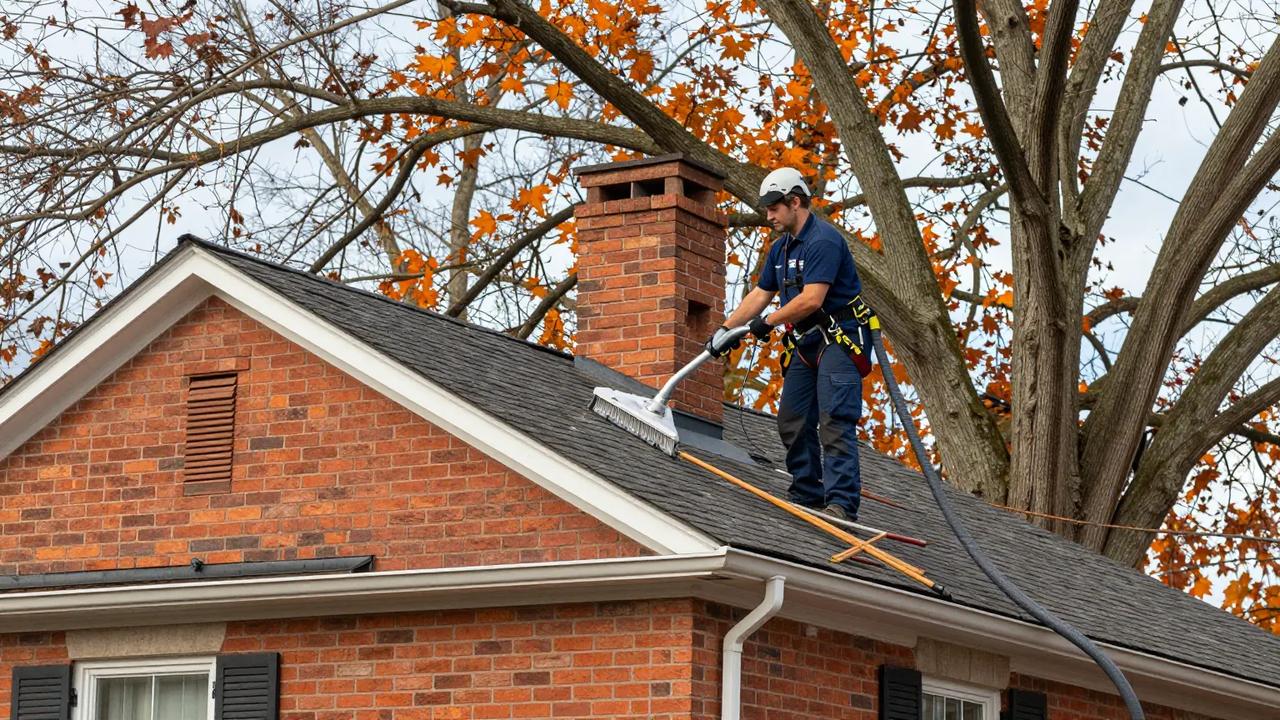
What actually drives the price of a chimney sweep in Maryland — flue count, creosote stage, access — and how to read any quote you are given.
Read the Article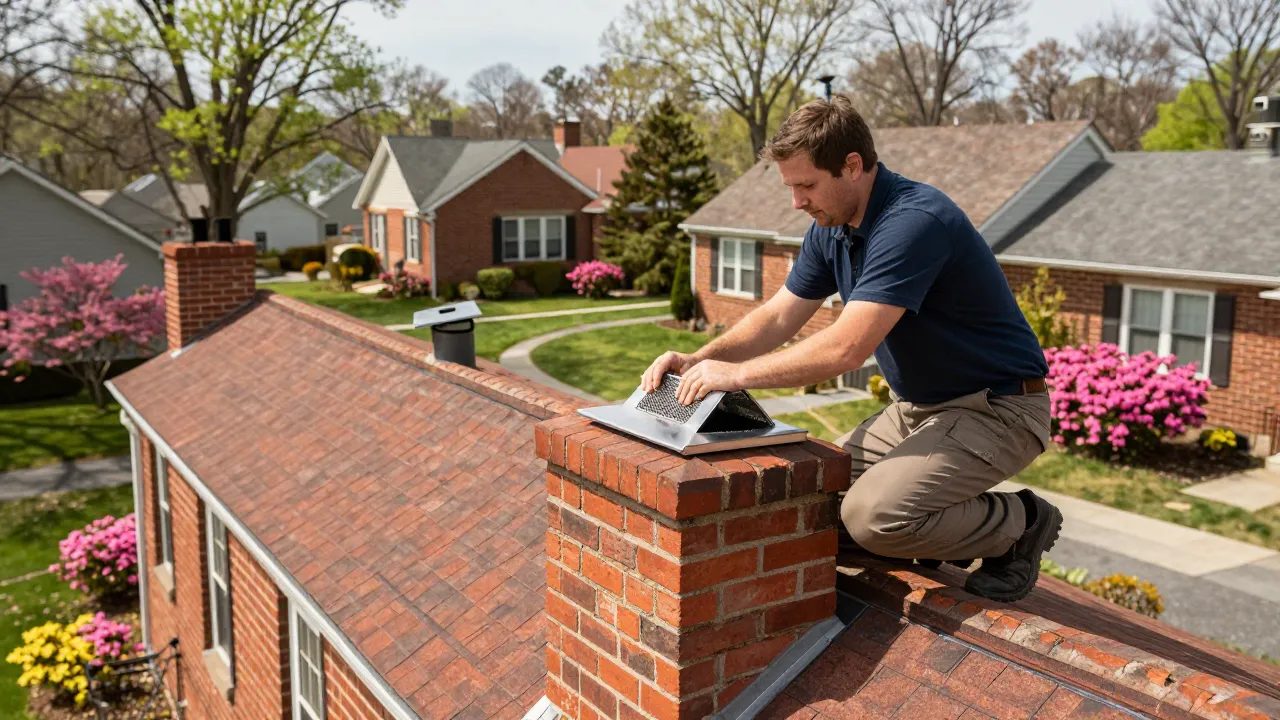
A cap costs a fraction of the repairs it prevents. The Maryland math on rain, raccoons and rusted dampers — and when a cap is not the answer.
Read the Article