
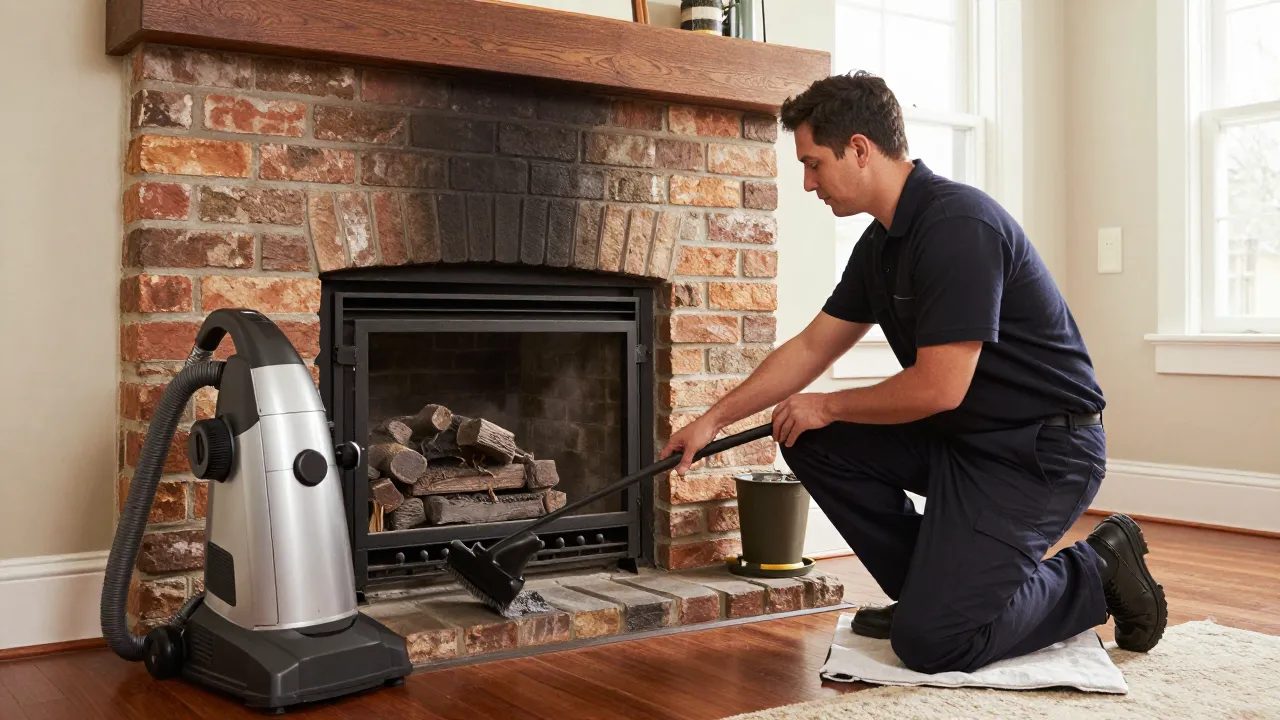
Signs Your Chimney Needs Cleaning
Campfire smell in July, smoke rolling back, black flakes in the firebox — the seven signs your flue is asking for a sweep before burn season.
Read the Article
The fast answer: if your existing clay tile liner is sound, keep it — clay is a proven, durable liner when its tiles and joints are intact. If tiles are cracked, joints have opened, or you are changing appliances, a stainless steel liner is usually the practical replacement: it is installed as one continuous, correctly sized tube inside the old flue, without rebuilding the chimney from the inside out. The featured photo shows our work at the top of a stack — a technician setting a new clay flue tile by hand. Which route is right for your home is a question a camera inspection answers, not a guess from the hearth.
The liner is the chimney within the chimney. Brick and mortar alone are not a safe exhaust pipe: hot gases, moisture and acidic condensate work on masonry joints, and heat can transfer through unlined walls to nearby framing. A liner gives smoke a smooth, continuous path out, contains heat and gases, and protects the masonry from inside. Liner condition, not just cleanliness, decides whether a chimney is fit to use.
Most masonry chimneys in Maryland were built with clay tile: square or round terracotta sections stacked inside the stack as it went up, joined with mortar. Clay has real strengths. It handles high heat well, resists corrosion from flue gases, and — protected inside sound masonry — can serve for decades. A clay liner in good condition is not outdated, and there is no reason to replace one just because of its age.
Its weaknesses are in the joints and the tiles themselves. Mortar joints between tiles can erode and open. Tiles can crack from heat shock, a chimney fire, settling, or water damage followed by freezing — and Maryland freeze-thaw cycles are hard on any chimney that is letting water in. Just as important, clay was sized for the fireplace or furnace the house was built with. Change the appliance — a new insert, a conversion to gas, a modern high-efficiency furnace — and the old tile flue may simply be the wrong size for the job, drafting poorly no matter how clean it is.
A stainless steel liner is a continuous metal flue run inside the existing chimney, sized to the appliance it serves and insulated where the installation calls for it. Because it is one unbroken tube, it has no mortar joints to open up. Because it is sized deliberately, it restores proper draft for inserts, stoves and heating systems that the original tile flue was never matched to. And because it is installed from the top of the chimney down, a failed liner can usually be replaced without taking the stack apart — the work our chimney relining crews do across the region.
Stainless is not automatically the answer to everything. The chimney around it still matters: crown, cap, flashing and masonry keep the water out, and a new liner inside a chimney soaking wet from a failed crown ages alongside the same old problem. A reline should come with an honest look at the top of the stack — which is why our article on whether a chimney cap is worth it pairs naturally with this one.
Homeowners rarely see liner damage directly, but the house leaves clues: flakes of clay tile in the firebox, smoke that rolls back or will not draft the way it used to, a strong odor on humid days, stains on the wall or ceiling near the chimney, or creosote that returns quickly after a sweep. Our guide to the three stages of creosote explains why a damaged or oversized flue makes deposits worse. Any of those signs earns more than a cleaning — it earns a look inside the flue itself.
Not every damaged flue needs the same remedy. Isolated damage may be repairable. Some flues are candidates for a resurfacing system that coats and seals the interior. A flue with widespread cracking, open joints or the wrong size for its appliance is a reline. The honest sequence is the same in all three cases: a Level 2 camera inspection first, images of the actual tiles and joints second, and a recommendation that follows what the camera found — in that order, never reversed.
Mid-November is exactly when to find out, before the heaviest burning weeks put a questionable flue to work every night. Eagle Chimney Service is Licensed & Insured · MHIC #117311, and every inspection ends with photos of what we found, emailed the same day. Call (855) 424-6217 or send the lead form on our appointment page, and we will tell you plainly whether your liner should be kept, repaired or replaced — and show you the pictures behind the answer.
Talk to a specialist — photo-documented inspections and upfront written estimates across 375 communities in Maryland, DC and Northern Virginia.
Campfire smell in July, smoke rolling back, black flakes in the firebox — the seven signs your flue is asking for a sweep before burn season.
Read the Article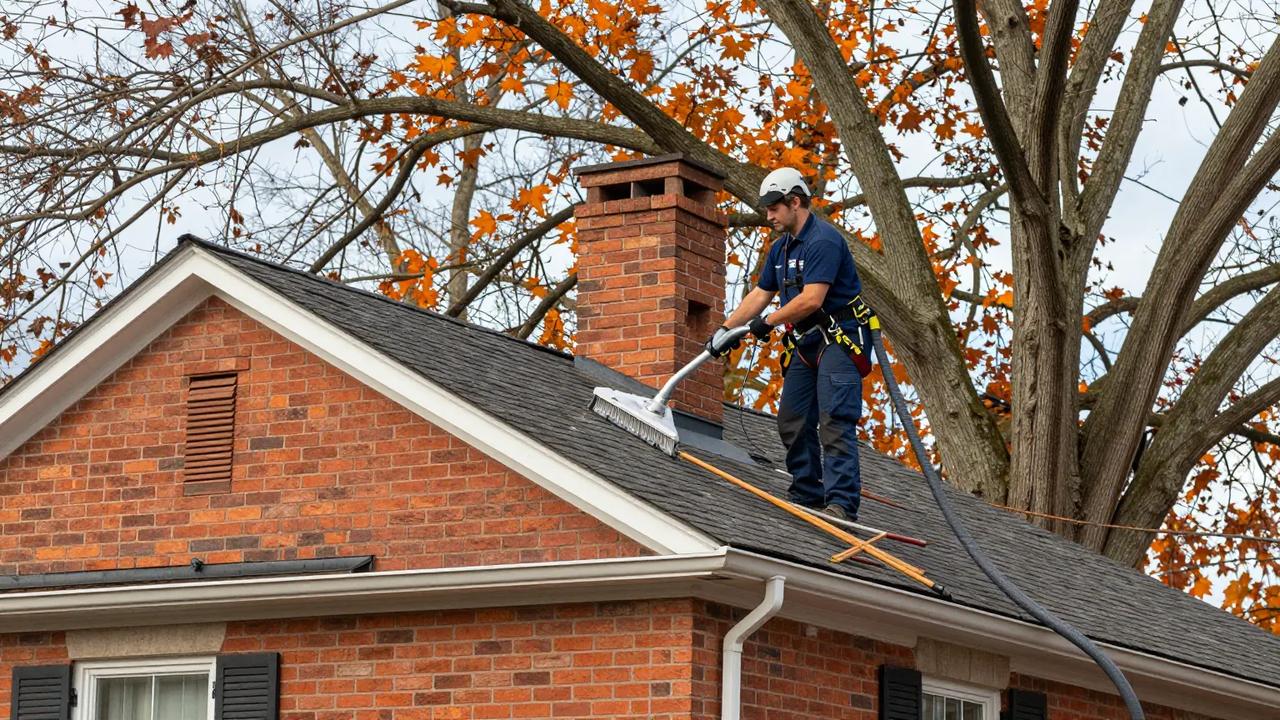
What actually drives the price of a chimney sweep in Maryland — flue count, creosote stage, access — and how to read any quote you are given.
Read the Article
A cap costs a fraction of the repairs it prevents. The Maryland math on rain, raccoons and rusted dampers — and when a cap is not the answer.
Read the Article